Illegal use of both opium and opioid painkillers are a major issue in the United States. Recently though, direct deaths from opium and its more common form heroin are falling, according to the Centers for Disease Control. This does not mean it is less dangerous than opioids. Many factors interfere with directly comparing the dangers of these drugs. Factors like drug tolerance, circumstance of use, individual using, and how the drug is taken into the body. Smoking a drug, for instance, is more dangerous than taking it as a pill. To date, there are no comprehensive studies comparing the dangers of opium with the dangers of opioids. Only by knowing what each one is, what they do, and how they are dangerous can you decide which the more dangerous drug is.
Opioids
According to the National Institute on Drug Abuse, opioids are synthetics derived from the original opium plant. Because of their unique properties, doctors use them as painkillers, for addictions, and for a variety of other conditions. Some opioids are mild and less dangerous while others are extremely addictive and therefore more dangerous. They work by stimulating the pleasure centers of the brain in order to decrease the feeling of pain. It works by binding to receptors called opioid receptors, when they bind to these receptors the cause a pleasurable response and the release of dopamine into the blood. Dopamine is one of the chemicals that make a person feel euphoric and pleasant. Unfortunately, because it is an artificial high and not one gained naturally through exercise or emotion the body beings to require the drug to feel happy or euphoric. This is one of the biggest dangers of opioids and painkillers in general.
How they are dangerous
Several factors make opioids dangerous. These factors are:
- Impaired judgment – the sense of euphoria and wellbeing that accompanies painkiller use causes people to make poor decisions. Driving, having high risk sex, and generally engaging in foolhardy behavior is common while on these drugs. Not only are the behaviors themselves dangerous, some of them are illegal.
- Allergic reaction – many people are allergic to painkillers. An allergic reaction can happen the first time or the hundredth time a person uses a drug. Some signs of an allergy are:
- difficulty breathing,
- throat closing,
- wheezing, and
- respiratory distress.
- Danger of overdose – painkillers are relatively easy to overdose one. An overdose sometimes sends the person into cardiac or respiratory arrest.
The danger of addiction is also always present. An addict is always in search of the drug, they give up their lives, their jobs, and their families to the cycle of use. They wake up, they find the drugs, they do the drugs, and then repeat the process the next day.
Opium
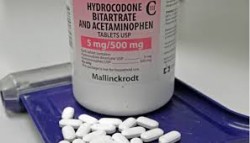
Hydrocodone is a commonly prescribed drug derived from opium.
Opium was used for centuries before it became an illegal drug. There are some very valuable benefits to opium when it is prescribed by a doctor and used correctly. Unfortunately, opium acts very similar to opiates. It excites the opiate receptors in the brain causing the pleasure center to become over stimulated. This over stimulation eventually deadens the pleasure center and causes addiction. This happens when someone smokes opium or takes one of the opium derivatives like heroin. There are several medications and illegal drugs made from opium. Some of these drugs are:
- codeine,
- hydrocodone,
- morphine, and
- many other painkillers.
Each of these is dangerous in its own right. Many of them are addictive and carry the risk of overdose, just like heroin. The difference is these are legally manufactured from opium while heroin is illegal.
How it is dangerous
Opium itself is a very seductive drug. The pleasure it provides, kept opium dens in business in the past. Many people die from just smoking it until they overdose. This has happened throughout history. The opium derivatives are equally seductive but not necessarily as powerful.
Opium is also highly addictive. It makes a person forget all of their problems, responsibilities, and allows them forget their lives. This is why many people continue smoking it until the overdose and die.
The danger of overdose is particularly high with opium derivatives. Most people who use heroin forget what it is like to live a normal life. They take more and more trying to achieve the same high. Like opioids, opium leads to respiratory and cardiac arrest.
Opioids and Opium
One of the things to take into consideration when comparing the dangers of opioids and opium is what type of opioid is in use. Some opioids are relatively harmless carrying very little chance of addiction while others are extremely addictive and therefore extremely dangerous.
Opium is difficult to come by these days and in its raw form difficult to handle. The fact that it is addictive and people are capable of overdosing on it makes it dangerous. Opioid painkillers are similar in that they are addictive and some are more dangerous than others are. The circumstances of use generally dictate which is more dangerous an opioid painkiller or straight opium.
One of the important things to remember is that both opioids and opium have legitimate medical uses. A doctor may prescribe opioids or use a tincture of opium during certain procedures. When deciding which is more dangerous, remember that taking a drug as prescribed does not usually put a person in danger—but ONLY if the medication is taken as prescribed. Any stray from the prescribed use, such as taking more than prescribed, taking more often than prescribed or taking for reasons other than prescribed can lead to serious danger. The circumstances of use, how it is abused, and what form it takes is what makes one drug more dangerous than another. Both opioid painkillers and opium are dangerous.
 5 Telltale Opium Addiction Symptoms -
According to the DOJ, “Opium is a highly addictive non-synthetic narcotic” and the fact that it is a natural substance often causes many people to not worry about its addicting nature. If you are concerned that you might be addicted to opium, consider these telltale signs. 1. Tolerance Tolerance, when paired with the abuse of ...
5 Telltale Opium Addiction Symptoms -
According to the DOJ, “Opium is a highly addictive non-synthetic narcotic” and the fact that it is a natural substance often causes many people to not worry about its addicting nature. If you are concerned that you might be addicted to opium, consider these telltale signs. 1. Tolerance Tolerance, when paired with the abuse of ...  Will Opium Addicts Relapse After Treatment? -
According to Harvard Medical School, “Addiction is a chronic disease with no lasting inexpensive cure. Recovery, when it occurs, is precarious, and relapse is a constant danger.” This does not necessarily mean that an individual will definitely relapse after opium addiction treatment, but they will likely experience issues that will trigger them to relapse or ...
Will Opium Addicts Relapse After Treatment? -
According to Harvard Medical School, “Addiction is a chronic disease with no lasting inexpensive cure. Recovery, when it occurs, is precarious, and relapse is a constant danger.” This does not necessarily mean that an individual will definitely relapse after opium addiction treatment, but they will likely experience issues that will trigger them to relapse or ...  Historic Opiate Use -
Opium is a drug that has been around for thousands of years according to the Public Broadcast Systems, Frontline, show “The Opium Kings,” opium has been around in some form or another since 34000BC. When its analgesic properties were first discovered. The knowledge of how to process and use it was gradually passed down for ...
Historic Opiate Use -
Opium is a drug that has been around for thousands of years according to the Public Broadcast Systems, Frontline, show “The Opium Kings,” opium has been around in some form or another since 34000BC. When its analgesic properties were first discovered. The knowledge of how to process and use it was gradually passed down for ...  Opium Withdrawal Symptoms -
Long term use of opium that results in physical dependence will cause withdrawal symptoms when the drug is not being used. Opium withdrawal symptoms result when a physical tolerance has developed and the body becomes dependent on the drug. Opium withdrawal will have various impacts on the user depending on his or her level of ...
Opium Withdrawal Symptoms -
Long term use of opium that results in physical dependence will cause withdrawal symptoms when the drug is not being used. Opium withdrawal symptoms result when a physical tolerance has developed and the body becomes dependent on the drug. Opium withdrawal will have various impacts on the user depending on his or her level of ...  Opiate Withdrawal Treatment: You Don’t Have to go it Alone -
Opiate withdrawal treatment is a very frightening prospect, particularly if you are aware of what opiate withdrawal is like. You do not have to go it alone. According to the National Institute on Drug Abuse, there are a variety of treatment options available. All of these treatment options involve support in many forms. Inpatient Treatment ...
Opiate Withdrawal Treatment: You Don’t Have to go it Alone -
Opiate withdrawal treatment is a very frightening prospect, particularly if you are aware of what opiate withdrawal is like. You do not have to go it alone. According to the National Institute on Drug Abuse, there are a variety of treatment options available. All of these treatment options involve support in many forms. Inpatient Treatment ...