Opioid addiction is one of the more serious addictions facing the United States today. Opioid addiction is very dangerous and according to the Centers for Disease Control, opioid overdose is rapidly becoming an epidemic. Although opioid withdrawal is not deadly it tends to be extremely unpleasant. This unpleasantness usually leads to relapse. In order to choose an inpatient treatment option you first have to know the methods of inpatient treatment you have to choose from.
What is Opioid Addiction?
Opioid addiction is one of the few addictions that comes out of relatively normal circumstances. Most opioid users are not your street corner drug addicts; they are people who’ve been prescribed an opioid medication to deal with some form of pain. Whether it is chronic pain or pain after a surgery, the medications are the same. Although many people stop taking these drugs after they no longer need them, there are some who are unable to stop taking them. This is an opioid addiction. The symptoms of opioid use are:
- loss of feeling,
- fatigue,
- nausea,
- vomiting,
- constipation,
- inability to feel pain, and
- confusion.
Opiate addiction is a very pervasive addiction. According to the National Institute on Drug Abuse, there are over 4.2 million people in the United States addicted to opioids.
Recognizing the Signs of Opioid Addiction
Most people who are addicted to opioid drugs experience certain symptoms of addiction. These symptoms vary depending on the person but each symptom gets more severe the longer the addiction goes on. Some of these symptoms are:
- loss of feelings of pleasure,
- cravings for the opioid drug,
- doctor shopping, and
- experiencing withdrawal symptoms when you stop taking the drug.
Many experience withdrawal when they stop taking the drug even after a short time. The symptoms of withdrawal are:
- chills,
- sweating,
- running nose,
- watery eyes,
- fever,
- diarrhea,
- nausea,
- vomiting,
- full feeling,
- loss of pleasurable feelings,
- anxiety,
- agitation,
- paranoia, and
- muscle aches and pains.
These symptoms come on rapidly, usually about 12 hours after the last dose of the opioid. These symptoms usually are extremely unpleasant but will subside after two to four weeks depending on the level of opioid use.
Who is a Candidate for Inpatient Opioid Treatment?
Although anyone with an addiction is a candidate for opioid inpatient treatment, there are a few people who are particularly well suited for it. These are:
- people who have tried other methods and failed,
- those whose opioid addiction is spiraling out of control,
- people who have multiple triggers that they cannot avoid,
- people who have lost their home,
- people who are in a violent home situation, and
- addicts who do not have anywhere else to go for treatment.
There are many more circumstances where a person might want inpatient opioid treatment. The choice between inpatient and outpatient treatment is a personal one. If you think you need inpatient treatment, discuss your options with a qualified addiction counselor.
Medical Detox Options
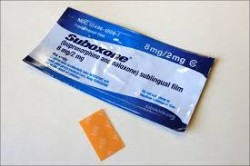
Suboxone is a popular method of opioid withdrawal treatment.
One of the most popular detox options is a medical detox. In medical detox the patient is given one of several different drugs to control the symptoms of withdrawal. The drugs are:
- Methadone – an extremely well tested and popular opioid replacement therapy. It acts to block the opiates at the receptor sites. This stops the withdrawal symptoms and also treats pain while you are on it.
- Buprenorphine – this is a milder opioid agonist. It is not as strong as methadone and may not completely stop the opioid withdrawal symptoms or relieve pain as well.
- Suboxone – this is rapidly becoming the preferred method of opioid detox. It contains two drugs. Buprenorphine and Naloxone, the buprenorphine blocks opiates and slows withdrawal and the Naloxone completely blocks the opiates so there is no euphoric effect.
These are an option for people who have an extreme addiction to opioids who cannot stop using them using other means.
Doctors might also give medication to help the symptoms instead of giving a drug to block the symptoms. You can stop the symptoms using these but you can ease the pain, diarrhea, nausea and anxiety produced by withdrawal.
Non-Medical Detox Treatment Options
Non-medical detox treatment options usually includes:
- Individual counseling – a one on one form of counseling. The purpose of individual counseling is to discover the cause of the addiction, identify an underlying illness, and to deal with the consequences of the addiction. Many people do well with counseling after the physical detox is over. Counseling helps a person deal with the psychological symptoms of detox as well.
- Group counseling – group counseling serves a different purpose from individual counseling. It helps establish a support network for the individual. Sharing experiences helps a user realize that they are not alone in their addiction and the problems it causes. Most people who attend group counseling say that they feel less lonely and more in control when they are in a group of people who have had similar experiences.
- Holistic treatments – Holistic treatments are relatively new when it comes to treatment of opioids. Many treatment centers are offering holistic treatments for opioid addiction. A few of the more well-known holistic treatment options are:
- massage therapy – the art of relaxing through muscle manipulation,
- art therapy – practicing various forms of art as a form of therapy. This can lead to inner discovery as well as methodical therapeutic practice.
- music therapy – the act of both listening to and making music helps to calm anxieties and sooth agitation.
- yoga – yoga is a combination of relaxation and exercise that helps to stretch tense muscles and ease anxieties.
Any of these treatments can be combined into a more comprehensive therapy. When you are searching for the method of opioid withdrawal treatment for you, it is important to make sure that the treatment center has the options that you want. To discuss these or other treatment options give us a call at, 877-743-0081 (Who Answers?). We can help you decide which treatment will work best for your addiction.
 The Dangers of OxyContin and Morphine -
Both OxyContin and morphine are in a class of drugs called narcotic pain relievers or opioids. Despite their medical usefulness, some major problems occur when you begin to abuse them. Many people who take these drugs wind up experiencing at least one of the dangers posed by OxyContin and morphine. Addiction and Abuse Both morphine ...
The Dangers of OxyContin and Morphine -
Both OxyContin and morphine are in a class of drugs called narcotic pain relievers or opioids. Despite their medical usefulness, some major problems occur when you begin to abuse them. Many people who take these drugs wind up experiencing at least one of the dangers posed by OxyContin and morphine. Addiction and Abuse Both morphine ...  Surprising Ways to Help a Loved One During Recovery from Opium Addiction -
One of the reasons addicts return to substance abuse again and again is their warped relationship with dopamine. When it experiences pleasure, the brain increases levels of dopamine, a neurotransmitter (chemicals that transmit signals in the brain). This is one reason human beings strive to seek out pleasurable activities; they get rewarded. When opium is ...
Surprising Ways to Help a Loved One During Recovery from Opium Addiction -
One of the reasons addicts return to substance abuse again and again is their warped relationship with dopamine. When it experiences pleasure, the brain increases levels of dopamine, a neurotransmitter (chemicals that transmit signals in the brain). This is one reason human beings strive to seek out pleasurable activities; they get rewarded. When opium is ...  10 Questions to Ask Yourself if You Suspect You are Addicted to Opiates -
According to the National Institute on Drug Abuse, opiates and opioids are some of the most addictive substances you can come across. Unfortunately, you can be addicted and not know that you are. Most people are blind to their own addictions or do not want to admit they are addicted, not even to themselves. If ...
10 Questions to Ask Yourself if You Suspect You are Addicted to Opiates -
According to the National Institute on Drug Abuse, opiates and opioids are some of the most addictive substances you can come across. Unfortunately, you can be addicted and not know that you are. Most people are blind to their own addictions or do not want to admit they are addicted, not even to themselves. If ...  Treatment Options for Opiate Withdrawal Headache -
One of the symptoms of opiate withdrawal is a severe headache. If you are an opiate addict and in withdrawal, you might be wondering what types of headache you get, what causes them, what you can do, and what a treatment center can do for you. What Types of Headaches Are Associated with Opiate Withdrawal ...
Treatment Options for Opiate Withdrawal Headache -
One of the symptoms of opiate withdrawal is a severe headache. If you are an opiate addict and in withdrawal, you might be wondering what types of headache you get, what causes them, what you can do, and what a treatment center can do for you. What Types of Headaches Are Associated with Opiate Withdrawal ...  Finding Help for a Loved One Who is Addicted to Opium -
Opium is a substance that derives from the sap produced from the seed of the poppy plant. Opium in its raw form is extremely potent, because it contains multiple alkaloids, such as morphine and codeine. All drugs that come from opium, which includes most prescription painkillers and heroin, are highly addictive. According to the National ...
Finding Help for a Loved One Who is Addicted to Opium -
Opium is a substance that derives from the sap produced from the seed of the poppy plant. Opium in its raw form is extremely potent, because it contains multiple alkaloids, such as morphine and codeine. All drugs that come from opium, which includes most prescription painkillers and heroin, are highly addictive. According to the National ...