There are a wide range of effects that opium derivatives can have on the body including physical drug dependence, withdrawal symptoms and health problems.
When opium is smoked, the drug causes a short-term high that includes relaxation, pain relief, reduced anxiety and impaired alertness and coordination. These effects usually wear off in about 3-4 hours. Using opium for a prolonged time or using opium excessively can lead to a tolerance of the common side effects of opium and the user may not feel as relaxed when the drug is used. In fact, over time, opium use can lead to heightened anxiety, weight loss, and mental deterioration. There is even a potential for death to occur as a result of opium overdose though not common unless a derivative of the drug is being used.
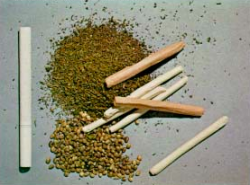 The harmful effects of opium are not often noticeable until the drug has been used for many years. Prolonged use of opium can lead to lung disorders including emphysema and cancer. Smoking opium also causes damage to the brain, liver, kidneys and various other organs of the body. This damage does not necessarily repair itself or go away when the drug is no longer used which is why it is so important to stop opium abuse as soon as possible to avoid further damage to the body.
As opium use progresses, the body becomes tolerant to the drug and the pain reduction qualities of this drug or its derivatives are not as profound. Feelings of pleasure and euphoria are ultimately replaced with feelings of desire or need to use more and more of the drug to produce similar euphoric effects. Opium tolerance such as this often leads to dependence and opium addiction.
Common opium effects include:
- Euphoria
- Relaxation
- Reduced anxiety
- Sense of emotional detachment or floating outside one’s self
- Reduced pain
- Reduced stress
- Sleepiness
- Altered mood, altered mental state
- Reduced appetite
- Weight loss
- Reduced energy
- Reduced sex drive
- Sweating
- Difficulty concentrating
- Impaired vision
- Coma
- Death
If you or someone you know is abusing opium and need help, contact Opium.org for a free counselor referral at 877-743-0081 (Who Answers?). Our helpline is available 24/7 to assist you in finding the right treatment for your needs.
 Effects of Opium Abuse -
Opium abuse has many negative effects on the body, mind, and life of the abuser. Although opium was used as a medicinal drug for a very long time, its negative side effects make its use as in the medical field much less widespread. As for opium abusers, there are many effects of opium that can ...
Effects of Opium Abuse -
Opium abuse has many negative effects on the body, mind, and life of the abuser. Although opium was used as a medicinal drug for a very long time, its negative side effects make its use as in the medical field much less widespread. As for opium abusers, there are many effects of opium that can ...  Signs and Symptoms of Opium Overdose -
While opium may seem like an “old school” drug from the 1960s, opium-type drugs remain very much in use today. Opium, a byproduct of the opium poppy seed plant, forms the basis for a wide spectrum of prescription pain relieving drugs. This means, opium overdose risks apply for many of the most commonly used prescription-based ...
Signs and Symptoms of Opium Overdose -
While opium may seem like an “old school” drug from the 1960s, opium-type drugs remain very much in use today. Opium, a byproduct of the opium poppy seed plant, forms the basis for a wide spectrum of prescription pain relieving drugs. This means, opium overdose risks apply for many of the most commonly used prescription-based ...  Choosing the Best Inpatient Hydrocodone Withdrawal Treatment -
Prescription Hydrocodone abuse has reached epidemic proportions in the United States. Although many people use this prescription drug as directed, it is still possible to become addicted to it. Hydrocodone addiction is an opiate addiction just like heroin or any of the other opium based medications. Although the symptoms of opiate withdrawal are not deadly, they ...
Choosing the Best Inpatient Hydrocodone Withdrawal Treatment -
Prescription Hydrocodone abuse has reached epidemic proportions in the United States. Although many people use this prescription drug as directed, it is still possible to become addicted to it. Hydrocodone addiction is an opiate addiction just like heroin or any of the other opium based medications. Although the symptoms of opiate withdrawal are not deadly, they ...  Opioid Medication List -
Opioids, or narcotics, are a type of drug that cause pain relief, drowsiness, and in high doses, euphoria. According to the DEA, “Narcotics/opioids come in various forms, including: tablets, capsules, skin patches… liquid form for oral use and injection, suppositories, and lollipops.” Below is a list of the most commonly used opioid medications. Opioid Medications ...
Opioid Medication List -
Opioids, or narcotics, are a type of drug that cause pain relief, drowsiness, and in high doses, euphoria. According to the DEA, “Narcotics/opioids come in various forms, including: tablets, capsules, skin patches… liquid form for oral use and injection, suppositories, and lollipops.” Below is a list of the most commonly used opioid medications. Opioid Medications ...  5 Signs You Need Opium Addiction Treatment -
1. Your Work and School Performance are Suffering. When someone becomes addicted to a drug, it will be all they want to do and all they care about. Many times, addiction to opium can make a person feel that their responsibilities like work and school are not as important. According to the DOI, “The apathy ...
5 Signs You Need Opium Addiction Treatment -
1. Your Work and School Performance are Suffering. When someone becomes addicted to a drug, it will be all they want to do and all they care about. Many times, addiction to opium can make a person feel that their responsibilities like work and school are not as important. According to the DOI, “The apathy ...