If you are addicted to opium – or other opioid-based drugs – and looking for a pharmacological treatment for your addiction, Suboxone may be for you. Consider the aspects of treatment below to find out whether or not Suboxone may be a good fit for your addiction treatment.
Suboxone’s Benefits and Side Effects
Suboxone contains both buprenorphine and naloxone. According to the Substance Abuse and Mental Health Services Administration, “Buprenorphine has unique pharmacological properties that help… lower the potential for misuse, diminish the effects of physical dependency to opioids, such as withdrawal symptoms and cravings, and increase safety in cases of overdose.” In addition, naloxone precipitates withdrawal in those users who attempt to crush and inject the drug, helping to further protect it from abuse.
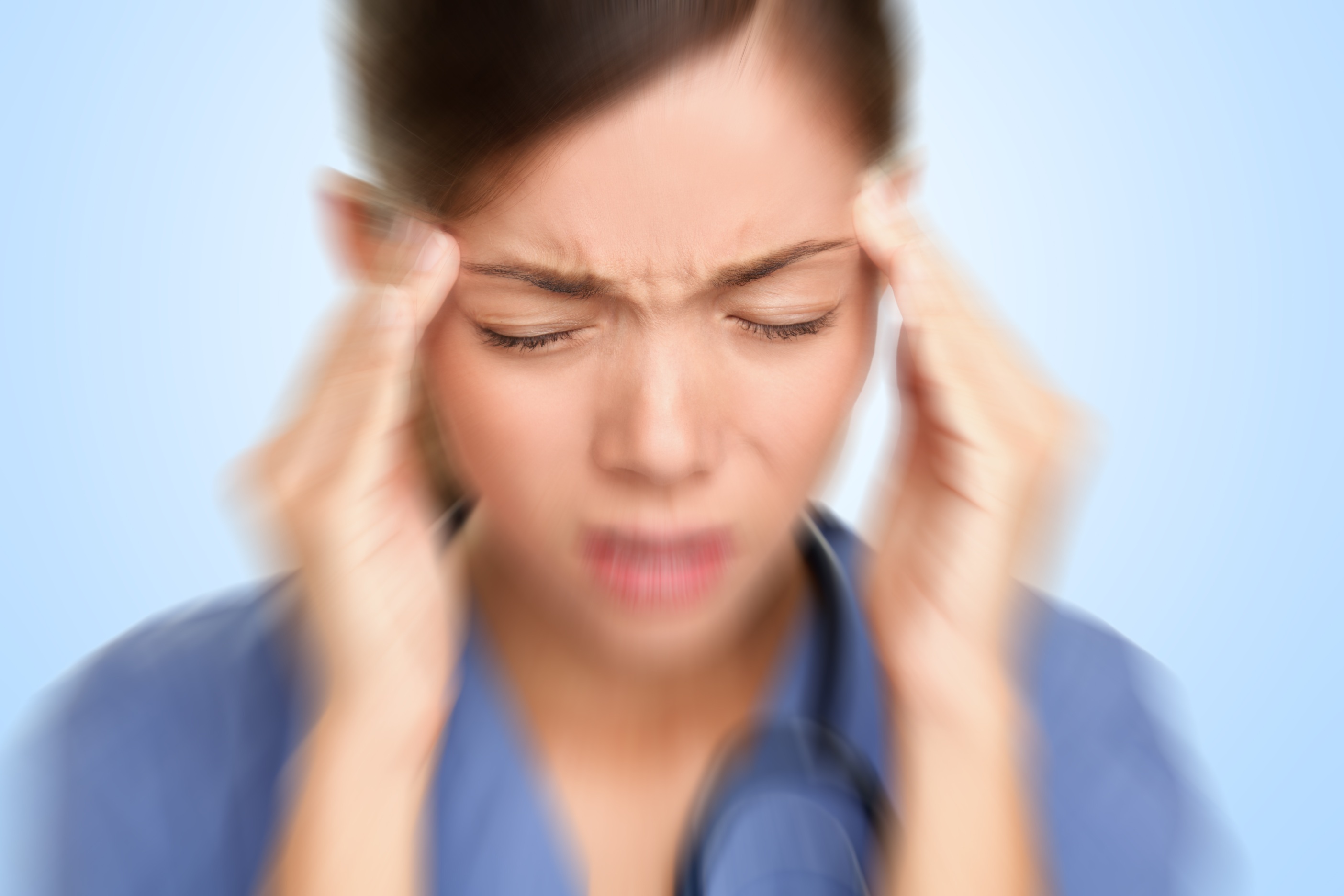
Buprenorphine can cause headaches and blurred vision.
One of the major benefits of Suboxone is that you can receive the treatment at a doctor’s office instead of in a clinic, unlike methadone. This erases some of the stigma of opium drug addiction treatment. The medication has been proven to be safe and effective for many individuals, and if you decide that you are ready to end your maintenance with Suboxone, you can be slowly weaned off the drug under your doctor’s care.
The common side effects of buprenorphine are similar to those of other opioids, and according to the National Library of Medicine, they can include:
- Headache
- Stomach pain
- Constipation
- Vomiting
- Sleep problems
- Mouth numbness
- Tongue pain
- Blurry vision
- Back pain
It is, however, safe to take doctor-prescribed doses of Suboxone and live your life, as the medication will only minimize your cravings and withdrawal symptoms without causing you to get high. Because there are so many treatment options associated with opium and opioid drug abuse, it is important to understand how the drug may affect you and to consider whether or not your particular addiction syndrome and lifestyle are suited to the treatment.
Is Suboxone Right for My Opium Addiction Treatment?
In general, Suboxone is a beneficial treatment option for all types of opioid addiction. Unfortunately, though, a person who is severely dependent on their drug of abuse, in this case opium, may not receive the full treatment benefits needed from Suboxone. According to SAMHSA, studies show the buprenorphine is as effective as moderate doses of methadone, but for an individual with serious withdrawal symptoms or a severe dependence on opium, it is not as effective as “optimal-dose methadone.”
Ask yourself the questions below to find out whether or not Suboxone may be right for you.
- Do you want to receive opium addiction treatment in a doctor’s office instead of a methadone clinic?
- Have you only been abusing opium for a short time––less than a year––and do not have a severe dependence on the drug?
- Are you ready to take on the responsibility of a self-administered treatment option?
- Are you attending another therapeutic treatment such as individualized drug counseling or a support group?
- Have you thoroughly researched the effects of Suboxone?
If you answered yes to the questions above, it is likely that Suboxone would be a beneficial choice for your addiction treatment. You can call 877-743-0081 (Who Answers?) today to find a Suboxone doctor in your area or to learn more about the medication.
 Can Opium Addiction Be Deadly? -
According to the DEA, opium abuse and addiction “can lead to overdose” which can often become deadly. While many individuals abuse opium and opiate-based drugs, these substances become even more dangerous for those who are addicted to them, and treatment is often necessary in order to protect these individuals who are unable to stop themselves ...
Can Opium Addiction Be Deadly? -
According to the DEA, opium abuse and addiction “can lead to overdose” which can often become deadly. While many individuals abuse opium and opiate-based drugs, these substances become even more dangerous for those who are addicted to them, and treatment is often necessary in order to protect these individuals who are unable to stop themselves ...  Finding the Best Treatment for Opiate Addiction -
If you have decided that you need to attend opiate addiction treatment in order to recover from your dangerous opioid use, you are already on the right path. But finding treatment for your opiate addiction––and the best treatment for your needs – can be challenging. It is important to learn what treatment entails and what are the ...
Finding the Best Treatment for Opiate Addiction -
If you have decided that you need to attend opiate addiction treatment in order to recover from your dangerous opioid use, you are already on the right path. But finding treatment for your opiate addiction––and the best treatment for your needs – can be challenging. It is important to learn what treatment entails and what are the ...  Opioid Addiction Treatment Options for Teens -
Today’s teenagers face a range of distractions and temptations unlike any other generation before. Hormonal changes, school pressures and peer pressures coupled with a seemingly infinite online world environment can easily overwhelm a teen’s ability to cope with daily life. These factors coupled with easy access to drugs and alcohol place young people at high ...
Opioid Addiction Treatment Options for Teens -
Today’s teenagers face a range of distractions and temptations unlike any other generation before. Hormonal changes, school pressures and peer pressures coupled with a seemingly infinite online world environment can easily overwhelm a teen’s ability to cope with daily life. These factors coupled with easy access to drugs and alcohol place young people at high ...  Treatment Options for Withdrawal from Opioids -
Repeat exposures to opioids can cause physical dependence regardless of the reasons for taking the drugs. Dependence is characterized by a series of symptoms that have predictable long-term implications; one of which is withdrawal upon cessation of use. According to the World Health Organization,” In practice, most patients resume opioid use within six months of ...
Treatment Options for Withdrawal from Opioids -
Repeat exposures to opioids can cause physical dependence regardless of the reasons for taking the drugs. Dependence is characterized by a series of symptoms that have predictable long-term implications; one of which is withdrawal upon cessation of use. According to the World Health Organization,” In practice, most patients resume opioid use within six months of ...  Do I Need Treatment for Opium Addiction? -
If you are concerned that you might be addicted to opium, you should consider formal opium addiction treatment. Many individuals become quickly addicted to opium when they use it recreationally, and often, treatment is the only answer. Ask yourself if you might need treatment for opium addiction. Opium Addiction Treatment Opium is an addictive drug ...
Do I Need Treatment for Opium Addiction? -
If you are concerned that you might be addicted to opium, you should consider formal opium addiction treatment. Many individuals become quickly addicted to opium when they use it recreationally, and often, treatment is the only answer. Ask yourself if you might need treatment for opium addiction. Opium Addiction Treatment Opium is an addictive drug ...