According to the National Library of Medicine, yes you can get an addiction to methadone. It acts on the brain in ways similar to opiates. This is why it is an effective painkiller and opiate addiction treatment. In order to understand how people become addicted to methadone it is important to understand what doctors use it for, how it works, its side effects, and the signs of addiction.
Uses for methadone
Doctors use methadone to treat two conditions. Since methadone is a powerful drug doctors use it in very controlled circumstances such as daily outpatient therapy and inpatient treatment. The first and primary use of methadone is to treat chronic pain. These chronic pain patients fit certain criteria.
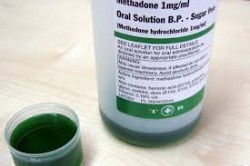
Methadone is often used to treat chronic pain.
- They have chronic pain expected to last a very long time.
- They cannot take opiates for some reason, usually but not always due to addiction or misuse.
- They have tried other therapies with little or no result.
- They are willing to have a structured medication schedule.
The other use of methadone is to treat opiate addiction. When someone is addicted to painkillers or other opiates such as heroin or opium, methadone is one of the preferred treatments. They use methadone to avoid the unpleasant withdrawal symptoms that opioid drugs produce.
How methadone works
Methadone works by replacing the opiates in the brain. It binds to the opiate receptors and excites them much like heroin does. When heroin binds to these receptors it over excites them causing an intense euphoria. The effect comes on strong and leaves quickly. When it leaves, the receptors reach out for more. When no more is in the system, the receptors cause the body to go into withdrawal. With methadone, the effects come on slowly and last. This keeps the body from going into withdrawal and reduces the craving for the opiate. Since it is an opiate agonist, it acts like the opiate and stops the pain a chronic pain patient experiences.
Side effects of methadone
There are many side effects of methadone, some of these side effects are positive and are the reason that people use it to stop chronic pain and withdrawal and some are negative. According to the drug label archived by the National Library of Medicine, the side effects of methadone are:
- mild euphoria,
- pain relief,
- dysphoria,
- weakness, dizziness, or drowsiness,
- disorientation or visual disturbances,
- dry mouth
- lack of appetite,
- reduced libido,
- slowed heart rate, and
- arrhythmia.
These are not all of the side effects that methadone can cause. Before taking methadone the patient and doctor discuss the side effects to make sure that the good things that methadone does outweigh the bad.
Signs of addiction to methadone
From what scientists and researchers know about addiction, addicts exhibit certain behaviors. Although these behaviors are not always, an indicator of addiction they tend to coincide with a person that is or will become addicted. Some of these behaviors are:
- tolerance to painkillers, methadone, or other drugs – tolerance is often one of the first signs of becoming addicted to a drug. It takes more and more of the drug to achieve the same effects.
- withdrawal – without the drug they experience withdrawal. They symptoms of withdrawal include:
- soreness,
- intense pain,
- nausea,
- vomiting,
- stomach upset,
- fatigue,
- cramping,
- diarrhea, and
- insomnia
- using the drug, finding the drug, and having the drug are a priority – instead of normal activities, people who are addicted become almost obsessed with running out of it or obtaining it.
When someone is addicted their life becomes about the drug, this includes methadone. They neglect everything else including appearance, family, friends, work, school, and other activities. They stop caring about anything but the drug.
Dependence versus Addiction
It is important to understand the difference between being dependent on methadone and being addicted to methadone. They are two different states. Someone who is dependent on a drug needs the drug to function and may go into withdrawal without the drug but they lack the obsessive behavior that goes with addiction. Someone who is addicted to a drug may also be dependent but they exhibit different behaviors. These behaviors may include:
- all of the behaviors that go along with addiction (see above),
- crushing pills to get high faster,
- snorting or injecting the medication, and
- exhibiting the overall need for the drug despite the consequences of using it.
A person in pain is dependent on the drug to function; a person who is addicted needs and obsesses over having the drug.
Getting off methadone
If you or someone you love is addicted to methadone, talk to your doctor about getting off it. There are several ways to detox from methadone including quitting cold turkey, detoxing in a rehab, and allowing the doctor to gradually decrease the dose. The doctor that originally put the person on methadone will know if the person needs to stop methadone. Since some people are on methadone to treat pain, chronic constipation, and a few other disorders, they might need the drug to function.
Yes, you can get an addiction to methadone but it is important to understand that there is a difference between dependence and addiction. Those who exhibit the adverse affects of addiction need to gradually decrease their dose of methadone. Those who do not can continue the drug for years without being a true addict.
 Am I Abusing Prescription Opiates? – 3 Reasons to Get Opiate Abuse Treatment Now Rather Than Later -
Even if you don't think you're addicted to painkillers, it's important to seek opiate abuse treatment if you're experiencing symptoms of dependence.
Am I Abusing Prescription Opiates? – 3 Reasons to Get Opiate Abuse Treatment Now Rather Than Later -
Even if you don't think you're addicted to painkillers, it's important to seek opiate abuse treatment if you're experiencing symptoms of dependence.  On Opium Addiction & Why ‘Knowing Your Limits’ is Not Enough -
While opium, per se, has a long history of recreational use dating as far back as the 1960s, many of today’s most addictive substances use opium-derived substances as main ingredients. Heroin and prescription pain medications lead the pack as the most commonly abused opium-based substances in existence. Opium drugs rank number one in terms of ...
On Opium Addiction & Why ‘Knowing Your Limits’ is Not Enough -
While opium, per se, has a long history of recreational use dating as far back as the 1960s, many of today’s most addictive substances use opium-derived substances as main ingredients. Heroin and prescription pain medications lead the pack as the most commonly abused opium-based substances in existence. Opium drugs rank number one in terms of ...  10 Reasons to Seek Treatment Instead of Your Next Opioid Fix -
Professional treatment is necessary for someone who is addicted to opioids. Below are 10 reasons why you should seek treatment now, instead of reaching for that next fix. Call to find safe, reliable rehab options that will cater to your needs. 1. Your Relief Will Only Be Temporary If you decide to use opioids to ...
10 Reasons to Seek Treatment Instead of Your Next Opioid Fix -
Professional treatment is necessary for someone who is addicted to opioids. Below are 10 reasons why you should seek treatment now, instead of reaching for that next fix. Call to find safe, reliable rehab options that will cater to your needs. 1. Your Relief Will Only Be Temporary If you decide to use opioids to ...