Opium is an incredibly intense narcotic with strong side effects. When abused over time, it can lead to addiction. If you think someone you know is frequently abusing opium, it is better to find out soon so you can help them seek treatment and recover. Call 877-743-0081 (Who Answers?) now to have Opium.org help you to find rehab centers in your area or to find help for those who abuse opium.
Physical Signs of Opium Abuse
According to the Drug Enforcement Administration, “The opium poppy is the key source for many narcotics, including morphine, codeine, and heroin.” This means it causes the same side effects as these drugs. Also, because it is not as easily attainable as the drugs listed above, someone who abuses opium frequently will often turn to a cheaper, more available drug like heroin once they become addicted.
The common physical signs of opium use include:
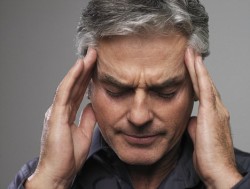
Dizziness and headaches are physical signs of opium abuse.
- Dry mouth
- Dry mucous membranes
- Flushing
- Itchiness
- Nausea
- Vomiting
- Headaches
- Dizziness
- Small pupils
- Constipation
Constipation is the most complained of physical side effect of opioid treatment, according to the International Journal of Clinical Practice, but someone who enjoys using these drugs recreationally will not stop because of it. They will often try to ignore these effects, make excuses for them, or try to treat them or cope with them in ways that do not include quitting opium. This can be dangerous and is often a sign of a budding addiction.
Behavioral Signs of Opium Abuse
Those who misuse this drug consistently will show signs of their abuse whether they are intoxicated or not. When they do become intoxicated after using opium, they will likely experience euphoria, relaxation, and a relief of pain. They will also become very drowsy. Other behavioral signs of opium use include:
- Mood swings
- Depression
- Confusion
- Ignoring responsibilities and becoming unreliable
- Acting secretively
- Becoming hostile when others ask about their drug use, where they’ve been, etc.
- Spending time with new individuals and leaving old friends behind
- Spending lots of time alone
- Not caring about their personal appearance or hygiene
When these signs begin to line up with the physical signs of opium abuse, it is very likely that the person you care for is using opium recreationally. Because there is a strong chance this abuse could lead to the use of heroin or the recreational use of prescription drugs, you should act quickly in order to help your loved one.
What Should I Do?
If your friend or family member has been abusing opium, it is important to know what their treatment options are, which of these will be best for them, and how you can support them as they begin to recover. If you call 877-743-0081 (Who Answers?), we will help you find rehab facilities in your area as well as answer your questions about opium abuse and about how to talk to your loved one about their substance use.
Once you have a set plan, talk to your friend about their opium use and stress that you believe it is important for them to get help. Once they realize this is necessary as well, you can help them transition into treatment as soon as possible.
 Choosing the Best Norco Addiction Treatment -
Consider how severe your Norco addiction is and what other needs must be addressed before choosing a treatment facility.
Choosing the Best Norco Addiction Treatment -
Consider how severe your Norco addiction is and what other needs must be addressed before choosing a treatment facility.  What it’s Like to Have Withdrawal Symptoms from Narcotics -
Going through opioid withdrawal is extremely difficult for most individuals, whether they were taking the drug by prescription and as a pain management regimen or whether they were abusing it to get high. Anyone who takes narcotics chronically and for a long period of time (usually at least a few months) will experience this withdrawal ...
What it’s Like to Have Withdrawal Symptoms from Narcotics -
Going through opioid withdrawal is extremely difficult for most individuals, whether they were taking the drug by prescription and as a pain management regimen or whether they were abusing it to get high. Anyone who takes narcotics chronically and for a long period of time (usually at least a few months) will experience this withdrawal ...  10 Questions to Ask Yourself if You Suspect You are Addicted to Opiates -
According to the National Institute on Drug Abuse, opiates and opioids are some of the most addictive substances you can come across. Unfortunately, you can be addicted and not know that you are. Most people are blind to their own addictions or do not want to admit they are addicted, not even to themselves. If ...
10 Questions to Ask Yourself if You Suspect You are Addicted to Opiates -
According to the National Institute on Drug Abuse, opiates and opioids are some of the most addictive substances you can come across. Unfortunately, you can be addicted and not know that you are. Most people are blind to their own addictions or do not want to admit they are addicted, not even to themselves. If ...  Choosing Inpatient Opioid Overdose Treatment -
Many individuals feel that they can handle the effects of drug abuse on their own when they decide to quit. Especially because opioids do not normally cause a deadly withdrawal syndrome and those who have been abusing these drugs are often nervous about legal consequences, many choose to handle the effects of opioid drug abuse ...
Choosing Inpatient Opioid Overdose Treatment -
Many individuals feel that they can handle the effects of drug abuse on their own when they decide to quit. Especially because opioids do not normally cause a deadly withdrawal syndrome and those who have been abusing these drugs are often nervous about legal consequences, many choose to handle the effects of opioid drug abuse ...  What is the Opiate Withdrawal Timeline? -
Opiates are a host of drugs derived from the opium poppy plant or sharing similar chemical structures that penetrate and affect the “endogenous opioid” neurotransmitter systems in the brain and central nervous system (CNS) producing analgesia, sedation, relaxation, and euphoria. According to the NIDA,” The consequences of activating opioid receptors with externally administered opioids such ...
What is the Opiate Withdrawal Timeline? -
Opiates are a host of drugs derived from the opium poppy plant or sharing similar chemical structures that penetrate and affect the “endogenous opioid” neurotransmitter systems in the brain and central nervous system (CNS) producing analgesia, sedation, relaxation, and euphoria. According to the NIDA,” The consequences of activating opioid receptors with externally administered opioids such ...