Opium based drugs, such as opioid type medications that doctors prescribe to help alleviate painful ailments can be addicting. Opium is known for its natural pain relieving effects, but it is also very addictive. Heroin is another highly addictive drug that contains opium, however, it has no medicinal purpose in the United States, and it is illegally made and distributed.
If you or a loved one are using any of these drugs, legally or illegally, you must become aware of their addictive potential. According to the National Institute on Drug Abuse, opioid type drugs have the following health consequences; slowed or arrested breathing, lowered pulse and blood pressure, tolerance, addiction, unconsciousness, coma, and death. The risk of death increases when opioids are used with other substances, such as alcohol or stimulants.
Signs That You May be Addicted
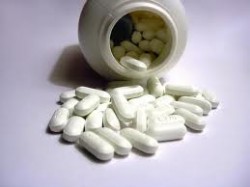
Opiate drugs all are known to be addictive.
Both synthetic and natural opiates have addictive properties, some more so than others. The most commonly abused opioid type drug is heroin. If you or a loved one have been using any type of opioid drug for a while, chances are you have developed tolerance and dependence for the drug. This can lead to addiction. Some signs that you may be addicted to these drugs can include:
- If you need higher doses to get the same initial effect, then you have developed tolerance. Addiction can quickly set in if you do not get treatment
- You become irritated and hostile if you do not have access to the drug.
- You are using it in other ways than prescribed, such as crushing pills to smoke, snort or inject the drug
- The drug is taken more often than necessary
- Occupied with the thought of getting more of the drug
- Withdrawing from activities with family or close friends
- Mood swings
- Feeling depressed or anxious
- You tried stopping but craved it too much, so you continued taking the drug
- Stealing to buy more of the drug
- Loss interest in maintaining physical appearance or hygiene
- Loss of appetite
- Suicidal thoughts
Signs of physical dependence may vary by drug, the amount taken, and the length of time using. Some people may show other signs not listed here. In most cases, if you suspect that you are addicted to drug then treatment should be sought as soon as possible to avoid negative consequences.
Getting Help If You Are Addicted to Opium Based Drugs
The sooner you seek treatment for addiction to any drug, the better it will be for improving your health both physically and psychologically. Some drugs are stronger than others and can cause more damaging effects on the mind and body. Do not let drugs control your life and ruin loving relationships with family or friends. Some drugs can be so dangerous, that the results can be fatal.
Where to Get Treatment
Becoming addicted to opium based drugs is a serious matter that must be addressed immediately. By contacting a treatment center for substance abuse and addiction, you can start on a recovery program that can soon help you get your life back on track, and be healthy and happier again – without the need of drugs.
 Naltrexone as an Opium Addiction Treatment -
Naltrexone, an opioid antagonist, can be used to treat opium addiction just as it can be used to treat addiction to other opioids, both natural and synthetic. Even though the drug is not as well tolerated as other medications, it can be a beneficial treatment for certain individuals. How Does Naltrexone Work to Treat Opium ...
Naltrexone as an Opium Addiction Treatment -
Naltrexone, an opioid antagonist, can be used to treat opium addiction just as it can be used to treat addiction to other opioids, both natural and synthetic. Even though the drug is not as well tolerated as other medications, it can be a beneficial treatment for certain individuals. How Does Naltrexone Work to Treat Opium ...  Opiate Drugs – A Comprehensive List of Opiates -
By now, most everyone’s aware of how addictive opiate drugs can be. Unfortunately, many may not realize how many varieties of drugs fall under the opiate drug classification. Best known for their ability to relieve pain symptoms, most opiate drugs work by depressing or slowing down brain and central nervous system functions, according to the ...
Opiate Drugs – A Comprehensive List of Opiates -
By now, most everyone’s aware of how addictive opiate drugs can be. Unfortunately, many may not realize how many varieties of drugs fall under the opiate drug classification. Best known for their ability to relieve pain symptoms, most opiate drugs work by depressing or slowing down brain and central nervous system functions, according to the ...  What Are Opiates? -
Opiates come in the form of a variety of legal and illegal drugs that all carry the potential for abuse and addiction.
What Are Opiates? -
Opiates come in the form of a variety of legal and illegal drugs that all carry the potential for abuse and addiction.  How Do I Reconnect with Family During Opium Addiction Treatment? -
Opium addiction can be very difficult on the addicted individual, but it can also seriously hurt their family members, friends, and other loved ones. According to the National Institute on Drug Abuse, “Drug abuse puts a lot of stress on parents, brothers and sisters, grandparents––anyone who is part of the home,” and this often causes ...
How Do I Reconnect with Family During Opium Addiction Treatment? -
Opium addiction can be very difficult on the addicted individual, but it can also seriously hurt their family members, friends, and other loved ones. According to the National Institute on Drug Abuse, “Drug abuse puts a lot of stress on parents, brothers and sisters, grandparents––anyone who is part of the home,” and this often causes ...  Tips for Getting Off Opiate Drugs -
The National Institute on Drug Abuse estimates that up to 36 million people worldwide abuse opiates in the form of heroin or prescription drugs. There are 2.1 million people abusing opiates in the United States alone. Of these 36 million, many want to get off opiates. Unfortunately detoxing from any drug including opiates is miserable. ...
Tips for Getting Off Opiate Drugs -
The National Institute on Drug Abuse estimates that up to 36 million people worldwide abuse opiates in the form of heroin or prescription drugs. There are 2.1 million people abusing opiates in the United States alone. Of these 36 million, many want to get off opiates. Unfortunately detoxing from any drug including opiates is miserable. ...