Opium and drugs like it have given rise to some of the highest addiction rates in history. Opium addiction rates rank second only to alcohol with scores of people succumbing to the damaging effects of opium-based drugs each year. Considering the bad rap these drugs have had, one may wonder if any legitimate opium medical uses still exist.
As a nature-made substance, opium’s chemical make-up shares certain similarities with the chemicals the body uses to manage pain. Consequently, most legitimate opium medical uses fall along the lines of pain-relief remedies. Pain treatments cover a wide spectrum, ranging from over-the-counter products to potent prescription drugs.
Legitimate opium medical uses can also be found in the opiate addictions treatment field. Interestingly enough, the same properties that make these drugs so addictive can also help people in recovery maintain abstinence when other forms of treatment prove ineffective.
Controlled Substances
The federal government assigns classifications for controlled substances, which include medicinal drugs and drugs that carry a risk of abuse. According to the U. S. Drug Enforcement Administration, drug classes range from Schedule I to Schedule V, with drugs in Schedule V posing the lowest risk for abuse.
Opium medical uses fall within the Schedule II to Schedule IV classes, demonstrating the wide range of treatments these drugs provide. Schedule II opium medical uses include some of the most addictive drugs on the market.
In actuality, “medicinal purpose” is the only factor that distinguishes Schedule I from Schedule II class drugs with Schedule I drugs including substances like heroin, cocaine and ecstasy. In effect, Schedule I class drugs carry the highest addiction potential while serving no known medicinal purposes.
Opium Medical Uses as Analgesics
As analgesics, opium drugs force certain key brain cells to release large amounts of neurotransmitter chemicals, such as dopamine and serotonin. According to the U. S. National Library of Medicine, these chemicals play central roles in the body’s pain management system, regulating nerve cell signal transmissions throughout the central nervous system. These interactions account for opium’s pain-relieving effects.
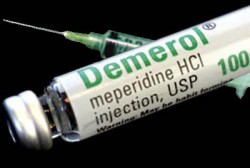
Demerol is an opium drug used commonly for its analgesic purposes.
Some of the more commonly used opium drugs include:
- Demerol
- Codeine
- Morphine
- Oxycodone
- Hydrocodone
The majority of opium drugs on the market are synthetic formulations of opium, making it possible to formulate different drug strengths. In this way, opium-based drugs can be used to treat most every type of pain symptom, from headaches to cancer-related pain conditions.
Opium Medical Uses as Addiction Treatments
In cases of moderate to severe opiate addiction, drug effects cause considerable damage to brain cell functions. By the time addicts enter recovery, widespread brain chemical imbalances have taken root. Under these conditions, maintaining ongoing abstinence for any length of time becomes all but impossible.
Opium medical uses in the addictions’ field act as long-term treatment therapies. In effect, drugs used in this capacity help support damaged brain cell functions, which enable addicts to gradually wean off opiate drug effects. Drugs used as medication therapies include:
- Methadone
- Subutex
- Suboxone
- LAMM
While legitimate opium medical uses do exist, the risks associated with opium drugs in general still apply whether used for medicinal treatment purposes or not.
 Recognizing Use of Opium in a Loved One -
The use of opium may seem like something that went on in the 1960s and 70s with opium pipes being all the rage. In actuality, the use of opium continues in today’s world with heroin and prescription pain pills topping the charts for addictive substances, second only to alcohol. A loved may become exposed to ...
Recognizing Use of Opium in a Loved One -
The use of opium may seem like something that went on in the 1960s and 70s with opium pipes being all the rage. In actuality, the use of opium continues in today’s world with heroin and prescription pain pills topping the charts for addictive substances, second only to alcohol. A loved may become exposed to ...  How Is Opana Addiction Treated? -
Addiction of any kind is a serious issue, and treatment is often a long and challenging process. If you or a loved one are struggling with Opana addiction, you may want to know what your options are for recovery so that you can begin to seek a healthier lifestyle as soon as possible. What Is ...
How Is Opana Addiction Treated? -
Addiction of any kind is a serious issue, and treatment is often a long and challenging process. If you or a loved one are struggling with Opana addiction, you may want to know what your options are for recovery so that you can begin to seek a healthier lifestyle as soon as possible. What Is ...  Finding the Best Inpatient Methadone Treatment for Opiate Addiction -
If you have decided that inpatient methadone care is the best option for your opioid addiction treatment, finding the best inpatient methadone treatment program is your next step. Inpatient treatment is often most beneficial for individuals who need additional supervision and a controlled environment in which to heal, but there are many ways to narrow ...
Finding the Best Inpatient Methadone Treatment for Opiate Addiction -
If you have decided that inpatient methadone care is the best option for your opioid addiction treatment, finding the best inpatient methadone treatment program is your next step. Inpatient treatment is often most beneficial for individuals who need additional supervision and a controlled environment in which to heal, but there are many ways to narrow ...  Understanding Opiates: What is Opium? -
Opium is the latex juice that is emitted from the opium poppy plant, Papaver somniferum, when the poppy pod is scored. No one knows exactly when the pain relieving or psychoactive effects of opium were first used, but, it may have begun with its ability to produce euphoria for which the Sumerians called it “Hul ...
Understanding Opiates: What is Opium? -
Opium is the latex juice that is emitted from the opium poppy plant, Papaver somniferum, when the poppy pod is scored. No one knows exactly when the pain relieving or psychoactive effects of opium were first used, but, it may have begun with its ability to produce euphoria for which the Sumerians called it “Hul ...  How is Meperidine Addiction Treated? -
Meperidine addiction can occur, just like with any other type of opioid drug, when an individual abuses it. If you have been consistently misusing your meperidine prescription––or have been taking it without a prescription at all––please call now to find treatment options that will help you recover. Initial Meperidine Addiction Treatment Also known by the ...
How is Meperidine Addiction Treated? -
Meperidine addiction can occur, just like with any other type of opioid drug, when an individual abuses it. If you have been consistently misusing your meperidine prescription––or have been taking it without a prescription at all––please call now to find treatment options that will help you recover. Initial Meperidine Addiction Treatment Also known by the ...