According to the National Institute on Drug Abuse, there are thousands of opiate addicts in the United States. Many of these people need to hide the drugs that they have from others so that no one will discover their addiction. They have some pretty creative ways to hide their opiates from even the people who know them well.
Toilet Tanks
Inside a toilet tank is one of the sneakier places to hide opiates. They simply seal them in a freezer bag and drop them in. The water is clean and there is no danger of them being discovered unless something goes wrong with the toilet and the tank cover needs to be removed.
Toilet Paper Roles
A toilet paper roll is one of the perfect places to conceal a pill bottle. Pill bottles are about the same size and once wedged in are unlikely to slip out. Most people buy toilet paper in bulk and then store it out of site. It is also an easy place to get to the stash of opiates, all they have to do is go to the bathroom.
Inside other Pills or Pill Bottles
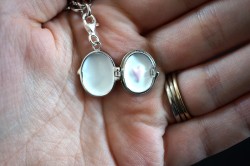
Some people hide opiates in jewelry such as lockets.
Capsules can be opened and the smaller opiates can be put inside. This conceals the pill and makes it look like something harmless. This is particularly true of antibiotics which are often large and come in capsule form. They can also simply switch the opiates for things like aspirin or other over the counter medications.
Inside Jewelry
There is a variety of jewelry made to conceal all manner of powders and pills. These pieces have been around since the middle ages and are still manufactured and sold in many areas. Lockets are also excellent places to hide smaller pills.
In Candy Wrappers or Bags of Candy
Inside candy wrappers, particularly those that twist shut is another popular creative hiding place. This works especially well for people who deal in large quantities of drugs.
Hollowed out Spaces in Books
It is very easy to tear or cut a few holes inside the books. This is one of the more classic ways people hide opiates and other drugs. Most people who hide opiates inside books will mark the book somehow so they remember which one it is.
Behind Books on Shelves
By pulling a few books out it is easy to conceal a pill bottle or several pill bottles behind them. By evening out the books no one can tell that there is something behind them. This also makes the pills easy to get to in the event the user wants to take an opiate.
In Hollowed Deodorant Canisters
This is a particularly creative way to hide opiates. You can use some of the deodorant and then unscrew the rest. Once the opiates are in a baggy you put them under the deodorant that’s left and put everything back together. Not many people will look inside the deodorant.
If you are Hiding Drugs Chances are it is Time to Seek Treatment
If you are hiding drugs in these or any other places, chances are you need drug treatment. Treatment for opiate addiction is available just about everywhere in the United States. To find it all you have to do is call 877-743-0081 (Who Answers?).
 How Long Does Opium Withdrawal Last? -
Opium withdrawal is an uncomfortable process that usually lasts for at least several days. According to the NLM, “Withdrawal from opiates can occur whenever any chronic use is discontinued or reduced,” and this includes the natural narcotic opium. While it takes a while for dependence to build up and the general timeline “varies with each ...
How Long Does Opium Withdrawal Last? -
Opium withdrawal is an uncomfortable process that usually lasts for at least several days. According to the NLM, “Withdrawal from opiates can occur whenever any chronic use is discontinued or reduced,” and this includes the natural narcotic opium. While it takes a while for dependence to build up and the general timeline “varies with each ...  Synthetic Opiates List – Drugs that Derive from Opium -
Most prescription pain relief medications exist as synthesized versions of natural opiate drugs like opium, morphine and heroin. These medications make up the majority of drugs appearing on a synthetic opiates list. Opiates, also known as analgesics, have become one of the most commonly abused drugs on the market. With long-term use, their debilitating effects ...
Synthetic Opiates List – Drugs that Derive from Opium -
Most prescription pain relief medications exist as synthesized versions of natural opiate drugs like opium, morphine and heroin. These medications make up the majority of drugs appearing on a synthetic opiates list. Opiates, also known as analgesics, have become one of the most commonly abused drugs on the market. With long-term use, their debilitating effects ...  How is Methadone Addiction Treated? -
Methadone addiction is treated much in the same way as any other narcotic addiction is. However, there may be some specific options you will want to choose for your treatment. If you have been struggling with methadone abuse, call . We can help you find the right rehab center for your recovery. Consider Residential Treatment ...
How is Methadone Addiction Treated? -
Methadone addiction is treated much in the same way as any other narcotic addiction is. However, there may be some specific options you will want to choose for your treatment. If you have been struggling with methadone abuse, call . We can help you find the right rehab center for your recovery. Consider Residential Treatment ...  Opiate Addiction: The Darker Side of Pain Control -
With stricter regulations on controlling pain medications, doctors and addiction specialists are now seeing a disturbing trend. People with chronic pain are turning to illegal and dangerous means and substances to alleviate their legitimate illnesses. What the Evidence Suggests According to the National Institute on Drug Abuse, a review of 67 separate studies shows that ...
Opiate Addiction: The Darker Side of Pain Control -
With stricter regulations on controlling pain medications, doctors and addiction specialists are now seeing a disturbing trend. People with chronic pain are turning to illegal and dangerous means and substances to alleviate their legitimate illnesses. What the Evidence Suggests According to the National Institute on Drug Abuse, a review of 67 separate studies shows that ...  The Dark Night Before the Dawn: Opiate Withdrawal -
Once dependent on opiates, the user will experience severe withdrawal symptoms when they can't obtain the drug, making it nearly impossible to avoid using again.
The Dark Night Before the Dawn: Opiate Withdrawal -
Once dependent on opiates, the user will experience severe withdrawal symptoms when they can't obtain the drug, making it nearly impossible to avoid using again.