Opium and opium-based drugs breed some of the worst forms of addiction compared to other types of drugs. Addiction in any form happens over time as the brain incorporates a drug’s effects within its chemical workings. Once the brain becomes dependent on opium, it’s working at a diminished capacity due to the damaging effects of the drug.
Opium addiction treatment works to undo the harmful effects of addiction, both physical and psychological. While addiction, in and of itself, cannot be cured, it can be managed. Opium addiction treatment provides you with the tools and physical supports needed to keep addiction from controlling your life.
Addiction: A Brain Disease
While the initial decision to try opium drugs may be voluntary, the effects of the drug take away a person’s power to choose with continued drug use. According to the National Institute on Drug Abuse, opium changes the brain’s chemical pathways and overall structure over time. This inevitably affects a person’s psychological makeup in terms of his her outlook and daily lifestyle.
These changes account for why opium-based addictions and addiction in general carries such a high relapse rate. Likewise, the compulsive drug-using behaviors that characterize addiction result from the changes that have taken place in the brain. Opium addiction treatment addresses these various components of addiction while helping you develop a lifestyle that’s conducive to long-term abstinence.
The Addiction Mindset
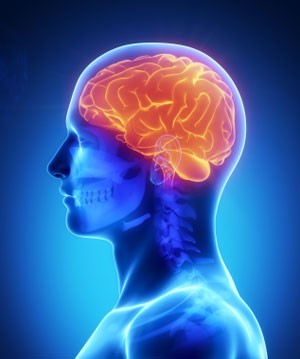
Prolonged opium use alters the brain.
The chemical changes brought on by opium abuse alter brain functions at a cellular level, disrupting the cells’ ability to produce neurotransmitter chemicals in needed amounts. In effect, opium takes over neurotransmitter production processes, causing surges of dopamine, norepinephrine and serotonin with each dose of the drug.
The addiction mindset develops out of the effects of this imbalance on the brain’s reward system pathway. This critical area of the brain defines what motivates a person based on what it learns on a day-to-day basis.
Chemical imbalances interfere with how this system works to the point where opium effects become a primary motivation in a person’s life. These effects play a central role within the disease aspect of addiction, making addiction resistant to any form of long-term cure.
Managing Addiction vs. Curing Addiction
Addiction functions in the same way as a chronic medical condition like heart disease, asthma or diabetes. When properly managed, a person can live a healthy, normal life. When left unattended, these conditions greatly reduce quality of life to the point where a person’s life starts to fall apart much like the effects of addiction.
In effect, relapse episodes take shape when needed treatment supports are lacking, according to the University of Utah Health Sciences. For these reasons, opium addiction treatment entails a process where a person learns to apply the principles and practices of recovery within his or her daily life.
Considerations
Ultimately, the only way to “cure” addiction is to live a lifestyle that makes ongoing abstinence possible. As chronic opium abuse essentially reconfigures how the brain works, managing addiction-based thinking and behavior on a day-to-day basis is essential to living a drug-free life. Opium addiction treatment programs specialize in equipping those in recovery with the tools needed to make this possible.
If you’re struggling with opium addiction, please feel free to call our toll-free helpline at 877-743-0081 (Who Answers?). Our representatives can answer any questions or concerns you may have or connect you with an opium addiction treatment programs your area.
 Rehab Options for Opium Use -
Opium is often used recreationally and causes euphoria in high doses. It can be smoked, ingested as a pill, or injected. Many people become addicted to opioids, or semi-synthetic opiate drugs, everyday, but opium itself can be highly addictive and detrimental, especially if a person abuses it for a long amount of time. Here are ...
Rehab Options for Opium Use -
Opium is often used recreationally and causes euphoria in high doses. It can be smoked, ingested as a pill, or injected. Many people become addicted to opioids, or semi-synthetic opiate drugs, everyday, but opium itself can be highly addictive and detrimental, especially if a person abuses it for a long amount of time. Here are ...  Opium Drug Facts -
Opium is still abused today by those looking for the euphoric high it causes. And because it is synthesized to make other drugs like heroin, opium production is still very common. When a person is abusing opium, the drug can become very addictive very quickly. This why is it so important to know the opium ...
Opium Drug Facts -
Opium is still abused today by those looking for the euphoric high it causes. And because it is synthesized to make other drugs like heroin, opium production is still very common. When a person is abusing opium, the drug can become very addictive very quickly. This why is it so important to know the opium ...  20 Symptoms of Opioid Withdrawal Commonly Experienced -
Symptoms of opioid withdrawal begin within hours of the last opioid dose depending on the type and potency of the drug, how it was used, individual biological factors, and the tolerance and dependency developments. According to the National Institute on Drug Abuse, “Dependence develops when the neurons adapt to the repeated drug exposure and only ...
20 Symptoms of Opioid Withdrawal Commonly Experienced -
Symptoms of opioid withdrawal begin within hours of the last opioid dose depending on the type and potency of the drug, how it was used, individual biological factors, and the tolerance and dependency developments. According to the National Institute on Drug Abuse, “Dependence develops when the neurons adapt to the repeated drug exposure and only ...  When are Opium Abusers Most Likely to Relapse? -
If you have recently begun your journey to recovery from opium abuse, you have made an important decision that will change your life and allow you to become the person you want to be. It is also necessary that you prepare for the possible occurrence of relapse – as this is a likely event in the recovery ...
When are Opium Abusers Most Likely to Relapse? -
If you have recently begun your journey to recovery from opium abuse, you have made an important decision that will change your life and allow you to become the person you want to be. It is also necessary that you prepare for the possible occurrence of relapse – as this is a likely event in the recovery ...  Short Term Effects of Opium -
Opium is an analgesic drug that produces euphoric effects. The short term effects of opium use are mostly related to the euphoric feelings that come from smoking the drug. The user will feel sleepy, drowsy or relaxed similar to the feelings that come from alcohol. These short term effects will differ for each individual and ...
Short Term Effects of Opium -
Opium is an analgesic drug that produces euphoric effects. The short term effects of opium use are mostly related to the euphoric feelings that come from smoking the drug. The user will feel sleepy, drowsy or relaxed similar to the feelings that come from alcohol. These short term effects will differ for each individual and ...