As a highly addictive narcotic drug, opium is extremely dangerous (even if taken in a small quantity). Many people take this drug one time and soon find they are addicted and unable to stop.
Heroin is one of the most common opium-like drugs. Not only is it highly addictive, but it continues to kill many people every year. Furthermore, it leads many people to a stint in rehab, as this is often times the only way to overcome the addiction.
Do you or a loved one have a problem with an opium addiction? Are you concerned about what this means to your future? Like many, you may not know the first thing about this category of drugs. All you know is that these drugs are dangerous and can have serious consequences on many aspects of your life.
Here are 10 opium drug facts you should know:
Opium is the main active ingredient in opiate drugs.
- Until the early 1900’s, there were no restrictions on the use of opium (including importing from another country) in the United States. This led to a large number of people relying on the drug, thanks in large part to the availability, and of course, the way it made them feel.
- Opium drugs are highly addictive. This was noted above, but it is worth discussing again. Most types of illegal drugs are addictive, but not many are quite as powerful as opium. In some cases, all it takes is one use for a person to form an addiction.
- Opium can be used in a variety of ways. It can be injected into the bloodstream, smoked, or even taken in pill form. With so many options, this makes it even easier for those who are addicted to the drug to continue taking it.
- There are many street names for opium, including but not limited to: Easing Powder, Fi-do-nie, Gee, God’s Medicine, Ah-pen-yen, Aunti, Aunti Emma, Black Pill, Toxy, Midnight Oil, Mira, and Pin Gon. It doesn’t matter what you call this drug, it is just as dangerous every time it is used.
- The short term effects of opium use are varied. Most commonly, this gives a person a sense of euphoria, immediately followed by feelings of sedation. This is often accompanied by shallow breathing, which is why large doses can lead to death. Other short term side effects include: constipation, confusion, and nausea. Using the drug along with other substances, such as alcohol, increases the chance of a serious outcome.
- There are long term effects of opium as well, which includes drug tolerance. When this happens, a person needs more of the drug to achieve the desired effect. Subsequently, they are putting more opium into their body, increasing the likelihood of an overdose. If used for an extended period of time, withdrawal symptoms will occur when trying to quit, which can be both uncomfortable and painful.
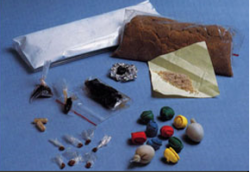
- Opium is typically found as a brown or black block of tar like powder. There are also times when this is found as a solid or liquid.
- Opium is a Schedule II narcotic, meaning that it is illegal to sell, distribute, or purchase the drug. It is classified as a central-nervous depressant. This alone shows just how dangerous the drug can be.
- Opium withdrawal can cause a variety of symptoms, including but not limited to: nausea, diarrhea, watery eyes, runny nose, insomnia, cold sweats, involuntary motion, muscle pain, yawning, sneezing, agitation, and mood swings. If a person attempts to quit opium, especially cold turkey without medical assistance, they are sure to be faced with many withdrawal symptoms and challenges.
- Opium overdose is a real concern. When a person takes too much of the drug at one time, or begins to use it on a regular basis, the risk of overdosing rises. While not always the case, an overdose can kill a person. Other times, it can cause serious injury or illness.
Why These Facts are Important
Even if you have never considered using an opium drug, the same may not be true about others in your life. For example, one of your children may have experimented with this drug. Or maybe somebody in your life is addicted to opium and looking for help.
With these 10 facts in mind, you now have a better understanding of what this drug is all about, including how serious it can be.
Even though opium is highly addictive, thousands of people have been able to put their addiction in the past. There are professional treatment facilities with the experience and knowledge necessary to help a person overcome their addiction, all without too many withdrawal symptoms.
These opium drug facts are not enjoyable, but they are definitely the truth. This knowledge may go a long way in saving you or somebody you love from a life of addiction and pain.
 What it’s Like to Have Withdrawal Symptoms from Narcotics -
Going through opioid withdrawal is extremely difficult for most individuals, whether they were taking the drug by prescription and as a pain management regimen or whether they were abusing it to get high. Anyone who takes narcotics chronically and for a long period of time (usually at least a few months) will experience this withdrawal ...
What it’s Like to Have Withdrawal Symptoms from Narcotics -
Going through opioid withdrawal is extremely difficult for most individuals, whether they were taking the drug by prescription and as a pain management regimen or whether they were abusing it to get high. Anyone who takes narcotics chronically and for a long period of time (usually at least a few months) will experience this withdrawal ...  Can Yoga Be a Part of My Opium Addiction Treatment? -
Yoga can be an extremely beneficial part of a well-rounded addiction treatment program. If you have been abusing opium and require safe, professional treatment, call to find rehab centers that will cater to your needs. The Benefits of Yoga There are many benefits associated with the practice of yoga that can be extremely helpful to ...
Can Yoga Be a Part of My Opium Addiction Treatment? -
Yoga can be an extremely beneficial part of a well-rounded addiction treatment program. If you have been abusing opium and require safe, professional treatment, call to find rehab centers that will cater to your needs. The Benefits of Yoga There are many benefits associated with the practice of yoga that can be extremely helpful to ...  5 Things that Contribute to Opioid Overdose -
According to the United States White House, more Americans are dying from prescription painkiller overdose than from heroin or many other illegal drugs. With this rising tide of prescription painkiller and opiate overdoses, you have to wonder what contributes to this epidemic. Several agencies have identified factors that might help predict those who are at ...
5 Things that Contribute to Opioid Overdose -
According to the United States White House, more Americans are dying from prescription painkiller overdose than from heroin or many other illegal drugs. With this rising tide of prescription painkiller and opiate overdoses, you have to wonder what contributes to this epidemic. Several agencies have identified factors that might help predict those who are at ...  Opioid Addiction: Why Professional Treatment is a Necessity -
The withdrawal symptoms of opioid drugs are widely known as being the worst to handle and most people who try to do it on their own will yield to the pain. These symptoms require professional help to overcome so that the addict can move closer to becoming sober. Addicts should know why professional treatment is ...
Opioid Addiction: Why Professional Treatment is a Necessity -
The withdrawal symptoms of opioid drugs are widely known as being the worst to handle and most people who try to do it on their own will yield to the pain. These symptoms require professional help to overcome so that the addict can move closer to becoming sober. Addicts should know why professional treatment is ...  Methods of Opioid Withdrawal Symptoms Treatment in Inpatient Rehab -
Opioid addiction is one of the more serious addictions facing the United States today. Opioid addiction is very dangerous and according to the Centers for Disease Control, opioid overdose is rapidly becoming an epidemic. Although opioid withdrawal is not deadly it tends to be extremely unpleasant. This unpleasantness usually leads to relapse. In order to ...
Methods of Opioid Withdrawal Symptoms Treatment in Inpatient Rehab -
Opioid addiction is one of the more serious addictions facing the United States today. Opioid addiction is very dangerous and according to the Centers for Disease Control, opioid overdose is rapidly becoming an epidemic. Although opioid withdrawal is not deadly it tends to be extremely unpleasant. This unpleasantness usually leads to relapse. In order to ...