Opium is still abused today by those looking for the euphoric high it causes. And because it is synthesized to make other drugs like heroin, opium production is still very common. When a person is abusing opium, the drug can become very addictive very quickly. This why is it so important to know the opium drug facts.
Where Does Opium Come From?
Opium is a non-synthetic drug. According to the DOJ, it is “extracted from the poppy plant, Papaver somniferum.” Opium itself is the dried latex that comes from the poppy seed. It is taken out, processed, and used recreationally by those looking to obtain its high.
It can also be used to create other drugs. These drugs are either opiates because they come from nothing but the poppy plant or semi-synthetic opiates, as some of their ingredients are non-natural but still have the natural opium involved in the making of them. Codeine and hydrocodone are examples of opium-based drugs.
Opium Street Names
If you need to recognize whether or not someone is talking about opium, here are some of its street names as stated by the DOJ:
- Zero
- Midnight oil
- Mira
- Chinese Tobacco/Molasses
- Big O
- Aunti/Aunti Emma
- Pox
- Gee
- Skee
- Toxy
- Dreams/Dream Gun/Dream stick
- Pin Gon/Pin Yan
- Guma
- God’s Medicine
What Is Opium Like?
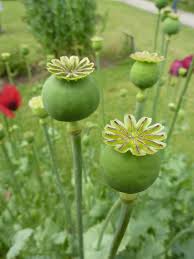
Opium is used to create many other drugs.
Opium can be abused in a variety of different ways, either as a “liquid, solid, or powder, but most straw concentrate is available commercially as a fine brownish powder.” It can be taken as a pill or injected intravenously, but mostly, it is smoked. Sometimes it is added to other drugs and given a different name. When it is called Black, that means it is marijuana, methamphetamine, and opium together.
When someone is abusing opium, the drug will affect his or her brain. It works very quickly when it is smoked, and the high will be followed by the relaxation of the person’s mind and the absence of pain. According to the DOI, people who are on opium may present signs of:
- Sweating
- “Drowsiness and fatigue”
- Slowed breathing
- Slowed heartbeat
- Apathy
- “Impaired coordination”
- Stupor or euphoria (depending on the amount of the drug taken and the time elapsed)
Dangers of Opium Abuse
Abusing opium recreationally is a very dangerous practice. A person could easily overdose on opium which could prove to be fatal. According to SAMHSA, here are the signs of an opium-based overdose:
- Pale, clammy skin
- Limp body
- “Fingernails or lips have a blue or purple cast”
- Person is unresponsive or cannot be woken
- “Heartbeat is very slow or stopped”
- “Breathing is very slow or stopped”
The person could die of respiratory failure very easily from opium overdose. It is also dangerous because the drug is very addictive. People who are addicted to opium will continue to use it even if it is hurting everyone around them. Opium abuse causes psychological and physical dependence which means, if the person suddenly stops taking opium, he or she will experience painful withdrawal symptoms and cravings. Opium is still a dangerous drug that can harm those who abuse it, as well as others who care for the abuser.
 Will Opium Addiction Treatment Cure My Drug Problem? -
Opium and opium-based drugs breed some of the worst forms of addiction compared to other types of drugs. Addiction in any form happens over time as the brain incorporates a drug’s effects within its chemical workings. Once the brain becomes dependent on opium, it’s working at a diminished capacity due to the damaging effects of ...
Will Opium Addiction Treatment Cure My Drug Problem? -
Opium and opium-based drugs breed some of the worst forms of addiction compared to other types of drugs. Addiction in any form happens over time as the brain incorporates a drug’s effects within its chemical workings. Once the brain becomes dependent on opium, it’s working at a diminished capacity due to the damaging effects of ...  On Opium Addiction & Why ‘Knowing Your Limits’ is Not Enough -
While opium, per se, has a long history of recreational use dating as far back as the 1960s, many of today’s most addictive substances use opium-derived substances as main ingredients. Heroin and prescription pain medications lead the pack as the most commonly abused opium-based substances in existence. Opium drugs rank number one in terms of ...
On Opium Addiction & Why ‘Knowing Your Limits’ is Not Enough -
While opium, per se, has a long history of recreational use dating as far back as the 1960s, many of today’s most addictive substances use opium-derived substances as main ingredients. Heroin and prescription pain medications lead the pack as the most commonly abused opium-based substances in existence. Opium drugs rank number one in terms of ...  Recovering from Opioid Addiction: How Opioids Affect the Brain -
Opiates are very damaging to the brain and create a “feel good” vibe that can lead to an addiction in a short amount of time. It can be very difficult to feel normal without opiates but these symptoms are reversible and the brain can be healed. If you or a loved one is suffering from ...
Recovering from Opioid Addiction: How Opioids Affect the Brain -
Opiates are very damaging to the brain and create a “feel good” vibe that can lead to an addiction in a short amount of time. It can be very difficult to feel normal without opiates but these symptoms are reversible and the brain can be healed. If you or a loved one is suffering from ...  5 Tips to Prevent Holiday Opiate Relapse -
It is extremely difficult to stay away from opiates if you are craving them as a recovering addict. The stress of the holidays just makes these cravings worse especially if you are freshly out of rehab or still in outpatient treatment. Many people start using opiates as a form of self-medication. They use them to ...
5 Tips to Prevent Holiday Opiate Relapse -
It is extremely difficult to stay away from opiates if you are craving them as a recovering addict. The stress of the holidays just makes these cravings worse especially if you are freshly out of rehab or still in outpatient treatment. Many people start using opiates as a form of self-medication. They use them to ...  Co-Occurring Disorders and the Impact of Opiate Abuse on those with Mental Illness -
Abusing opiates will worsen preexisting psychological disorders, increase one's risk of addiction, and cause negative lifestyle effects.
Co-Occurring Disorders and the Impact of Opiate Abuse on those with Mental Illness -
Abusing opiates will worsen preexisting psychological disorders, increase one's risk of addiction, and cause negative lifestyle effects.