One of the symptoms of opiate withdrawal is a severe headache. If you are an opiate addict and in withdrawal, you might be wondering what types of headache you get, what causes them, what you can do, and what a treatment center can do for you.
What Types of Headaches Are Associated with Opiate Withdrawal and What Causes Them?
There are several types of headache associated with opiate withdrawal. It is important to know the types of headache and their causes because the treatment for each may be slightly different. According to the National Library of Medicine, the types of opiate withdrawal headache and their causes are:
- Tension: stress, anxiety, and the emotional symptoms of withdrawal
- Migraine: depression, stress, and lack of dopamine production
- Dehydration: nausea, vomiting, and diarrhea
- High blood pressure: elevated blood pressure and anxiety
Different types of treatment work for each of these headaches. Knowing what caused the headache can help you treat it. All of these can be diagnosed and remedied at a treatment center. For more information, call 877-743-0081 (Who Answers?).
What Can You Do About Headaches Caused by Opiate Withdrawal?
There are a few things that you can personally do about withdrawal related headaches.
Consider the following options:
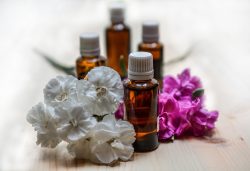
Aromatherapy can relieve headaches.
- Aspirin, ibuprofen, or acetaminophen
- Aromatherapy
- Self-massage
- An Epsom salt bath
- Meditation
- An application of witch hazel or lavender on your temples
Consider the following actions:
- Hydrating yourself
- Stretching to relieve tension
- Trying to sleep
- Pressing between your thumb and forefinger
- Watching a movie or television as a distraction
- Using a warm or cold compress on your neck
- Talking with a friend or relative
These are all ways to stop a headache without using prescription medication. When your headache is severe and accompanied by other withdrawal symptoms, you might want to consider going to a treatment center, especially if you are considering taking an opiate for it.
What a Treatment Center Can Do for Opiate Headaches
Treatment centers are well equipped to deal with opiate withdrawal and opiate related headaches. Treatment centers can give you medications that will stop all of your withdrawal symptoms.
According to the Substance Abuse and Mental Health Services Administration, treatment centers offer the following medications:
- Methadone: an opiate agonist that treats withdrawal
- Suboxone: a two-part medication that consists of buprenorphine and naloxone
- Buprenorphine: a partial opiate agonist that treats withdrawal
- Subutex: a partial opiate agonist that treats withdrawal
- Clonidine: a medication that reduces blood pressure and many of the symptoms of opiate withdrawal
All of these medications block withdrawal symptoms so they will not only treat your headache, they will treat all of your symptoms.
You can find a treatment center for you opiate withdrawal and withdrawal related headaches by simply calling 877-743-0081 (Who Answers?). We can help.
What Addiction Treatment Options Can Help With Opioid Withdrawal Symptoms?
 How Long Do Opium Effects Last? -
As far as pain-relieving drugs go, no other class of drugs offers the type of relief afforded by opium and opium-type medications. Opium has become the standard ingredient in most every type of prescription pain relief medication, some of which include: Morphine OxyContin Hydromorphone Dilaudid Percocet With so many varieties of drugs on the market, ...
How Long Do Opium Effects Last? -
As far as pain-relieving drugs go, no other class of drugs offers the type of relief afforded by opium and opium-type medications. Opium has become the standard ingredient in most every type of prescription pain relief medication, some of which include: Morphine OxyContin Hydromorphone Dilaudid Percocet With so many varieties of drugs on the market, ...  Should I Go on Suboxone for Opium Addiction? -
If you are addicted to opium – or other opioid-based drugs – and looking for a pharmacological treatment for your addiction, Suboxone may be for you. Consider the aspects of treatment below to find out whether or not Suboxone may be a good fit for your addiction treatment. Suboxone’s Benefits and Side Effects Suboxone contains both buprenorphine and naloxone. ...
Should I Go on Suboxone for Opium Addiction? -
If you are addicted to opium – or other opioid-based drugs – and looking for a pharmacological treatment for your addiction, Suboxone may be for you. Consider the aspects of treatment below to find out whether or not Suboxone may be a good fit for your addiction treatment. Suboxone’s Benefits and Side Effects Suboxone contains both buprenorphine and naloxone. ...  10 Reasons to Seek Treatment Instead of Your Next Opioid Fix -
Professional treatment is necessary for someone who is addicted to opioids. Below are 10 reasons why you should seek treatment now, instead of reaching for that next fix. Call to find safe, reliable rehab options that will cater to your needs. 1. Your Relief Will Only Be Temporary If you decide to use opioids to ...
10 Reasons to Seek Treatment Instead of Your Next Opioid Fix -
Professional treatment is necessary for someone who is addicted to opioids. Below are 10 reasons why you should seek treatment now, instead of reaching for that next fix. Call to find safe, reliable rehab options that will cater to your needs. 1. Your Relief Will Only Be Temporary If you decide to use opioids to ...  The Effect of Alcohol on the Brain and Body -
Alcohol has a very profound effect on the brain and body of the individual who consumes it. These effects can take a serious toll on the health of the individual by attacking several parts of the body. There are a few ways alcohol can effect the body and the brain. The Effects of Alcohol on ...
The Effect of Alcohol on the Brain and Body -
Alcohol has a very profound effect on the brain and body of the individual who consumes it. These effects can take a serious toll on the health of the individual by attacking several parts of the body. There are a few ways alcohol can effect the body and the brain. The Effects of Alcohol on ...  Tips for Getting Off Opiate Drugs -
The National Institute on Drug Abuse estimates that up to 36 million people worldwide abuse opiates in the form of heroin or prescription drugs. There are 2.1 million people abusing opiates in the United States alone. Of these 36 million, many want to get off opiates. Unfortunately detoxing from any drug including opiates is miserable. ...
Tips for Getting Off Opiate Drugs -
The National Institute on Drug Abuse estimates that up to 36 million people worldwide abuse opiates in the form of heroin or prescription drugs. There are 2.1 million people abusing opiates in the United States alone. Of these 36 million, many want to get off opiates. Unfortunately detoxing from any drug including opiates is miserable. ...