Oxycodone is an opioid analgesic, or pain reliever, available in a wide range of controlled prescriptions drugs including OxyContin, Roxicodone, Percocet, and more. Each one of these drugs, although varying in potency and formulations, including the controlled release and extended release versions intended for long-lasting pain management are classified as Schedule II substances by the DEA under the Controlled Substance Act (CSA). This means that while they serve a legitimate medical purpose, there is a high potential for abuse and dependency.
According to the Institute of Medicine (US), Opiates have a high abuse liability because they initially produce analgesia and a sense of tranquility or well-being.” If you have been using oxycodone for a while, you have probably questioned whether or not you are addicted and for many people the questioning, alone is cause for concern, but, to put it in a better perspective, following, are 10 signs you are addicted to oxycodone.
1. Intense Cravings
Cravings are a central aspect of any addiction. If you are having cravings for oxycodone right before your next dose or within a few hours of your last dose, you have developed a dependency to the drug. While cravings, alone, do not mean that you are addicted, they can become a conditioned response to stimuli that “triggers” drug seeking behaviors and desires. Cravings tend to become more persistent and are a number one cause for relapse after attempts to quit.
2. Repeated Attempts to Quit Using Oxycodone
Oxycodone addicts will often attempt to quit using oxycodone multiple times before they seek any type of professional help. Again, cravings play a critical role in maintaining the drug use and relapse is high with opioid drugs. According to the SAMHSA, “Although individuals with drug dependence can often complete detoxification and achieve temporary abstinence, they find it very difficult to sustain that condition and avoid relapse over time.”
3. Tolerance
If you find yourself needing more oxycodone to elicit the effects you desire, this tolerance will continue to build as long as you are using. You may occasionally try to cut down only to return to higher dosage levels afterward and this is an addiction indication that can cause you more harm in the long run, including overdose, or death.
4. Dependence
Do you feel the need to use Oxycodone as soon as you wake up or before you can get to sleep at night? Do you feel sick, tired, restless, or unable to function until you get your oxycodone dose? If you answer yes, to these questions, you have developed a dependency to the drug. The adverse feelings are actually symptoms of withdrawal and while anyone who uses oxycodone repeatedly can become dependent and suffer withdrawals, an addicted individual will continue to use the drug after their need for analgesia is over.
5. Compulsive or Uncontrollable Use of Oxycodone
If the need to use becomes more important than the adverse consequences of your using, this is the nature of addiction. Oxycodone abuse can become so overpowering, that despite the physical, mental, or social consequences, you are compelled to use the drug. Addiction to oxycodone is a chronic relapsing disease that, according to the NIDA “causes compulsive drug seeking and use, despite harmful consequences to the addicted individual and to those around him or her.”
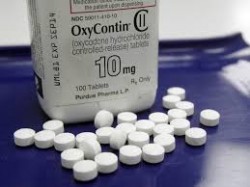
The compulsive use of Oxycodone is a clear sign of addiction.
You may even begin to use it via rapid delivery methods such as snorting or injecting to increase the effects and as you do so, you increase the dopamine levels that reinforce your behaviors of use as salient or important, even more so than your basic survival needs.
6. Withdrawals
Just as increases in dopamine reinforces the behaviors of oxycodone use, withdrawals act as negative reinforcements to discourage any attempts to quit. Withdrawals from oxycodone can range from mild flu-like symptoms of pain, runny nose, nausea, and fever, to more severe abdominal cramps, delirium, increased respirations and heart rate, vomiting, diarrhea, and many more painful and distressing symptoms.
Depending on the oxycodone use patterns, route of administrations, duration, and the health status of the individual, the withdrawal symptoms and severity will differ from one person to the next, but, once you go through them, you never want to do it again, and yet, an addict will do it over and over.
7. Loss of Interest or Motivations to Enjoy Life
Repeat use of oxycodone depletes the brain’s natural ability to produce dopamine which helps to regulate emotions, motivations, memory, and more importantly, senses of pleasure. When your brain cannot produce this chemical on its own, you can become void of pleasurable senses unless you are using the oxycodone. You can lose interest in family activities and the things you enjoy most and maybe isolate or withdraw yourself from your normal social routines.
8. Secrecy and Denial
Trying to deny or hide your consumptions amounts, where you are storing your supplies, or where you have been and who you were with is a big part of maintaining your habit. If secrecy and denial becomes your daily activity to avoid confrontations, you need addiction treatment.
9. Continue Using Oxycodone despite Health Problems
Oxycodone addiction can lead to a number of medical and psychiatric problems including diseases and infections from IV use or paraphernalia sharing, STDs from prostitution or multiple sex partners, overdoses, stress, and many psychological problems including anxiety, depression, confusion, memory problems, and cognitive difficulties. If you continue using oxycodone despite knowing these risks or experiencing them, you are addicted.
10. Increased Social Impairments
If your use of oxycodone has caused problems in your family, work, or social relations such as losing your job, freedom, spouse, children, home, or finances, you need the help of treatment to overcome your addiction. Social impairments can be a catalyst to continuing use or even the engagement of more harmful behaviors if you give up on yourself.
 Opiate Street Names -
Opiates are, for the most part, Schedule I to Schedule IV substances which means that they have some level of abuse potential. This is why there are so many different street names for opioid drugs. Knowing the different street names could help you understand what is going on around you and the possibility of illegal ...
Opiate Street Names -
Opiates are, for the most part, Schedule I to Schedule IV substances which means that they have some level of abuse potential. This is why there are so many different street names for opioid drugs. Knowing the different street names could help you understand what is going on around you and the possibility of illegal ...  Choosing the Best Norco Addiction Treatment -
Consider how severe your Norco addiction is and what other needs must be addressed before choosing a treatment facility.
Choosing the Best Norco Addiction Treatment -
Consider how severe your Norco addiction is and what other needs must be addressed before choosing a treatment facility.  Opium Side Effects -
Many long & short term side effects result from the use of opium including damage to the lungs and other organs. Repeated use of opium in a manner conducive to causing physical dependence can lead to lifelong consequences that are both difficult to treat and difficult to cope with. Although the side effects of opium that are ...
Opium Side Effects -
Many long & short term side effects result from the use of opium including damage to the lungs and other organs. Repeated use of opium in a manner conducive to causing physical dependence can lead to lifelong consequences that are both difficult to treat and difficult to cope with. Although the side effects of opium that are ...  What are Fentanyl Derivatives? -
According to the Drug Enforcement Administration, “Fentanyl is a potent synthetic opioid… [that] was introduced into medical practice as an intravenous anesthetic under the trade name of Sublimaze in the 1960s.” Since then, the drug has become one of the most widely used opioids in medicine today. However, the use of fentanyl derivatives is also ...
What are Fentanyl Derivatives? -
According to the Drug Enforcement Administration, “Fentanyl is a potent synthetic opioid… [that] was introduced into medical practice as an intravenous anesthetic under the trade name of Sublimaze in the 1960s.” Since then, the drug has become one of the most widely used opioids in medicine today. However, the use of fentanyl derivatives is also ...  Does Opium Abuse Lead to Heroin Use? -
Recently, research has suggested that those who abuse opioid painkillers like hydrocodone, oxycodone, and codeine are likely to begin using heroin if they continue their dangerous prescription drug abuse. According to the National Institute on Drug Abuse, “Nearly half of young people who inject heroin surveyed in three recent studies reported abusing prescription opioids before ...
Does Opium Abuse Lead to Heroin Use? -
Recently, research has suggested that those who abuse opioid painkillers like hydrocodone, oxycodone, and codeine are likely to begin using heroin if they continue their dangerous prescription drug abuse. According to the National Institute on Drug Abuse, “Nearly half of young people who inject heroin surveyed in three recent studies reported abusing prescription opioids before ...