According to the National Institute on Drug Abuse, opiate addiction is directly linked to those who suffer from chronic pain disorders. When you are addicted to an opiate, your options for pain relief are extremely limited. This fact alone deters many opiate addicts from seeking treatment for their opiate addiction.
Fortunately, there are a variety of devices that doctors use to treat chronic pain. These devices relieve the pain without opiates or with controlled opiate doses so you do not have to be afraid that you will be in chronic pain after opiate addiction treatment.
Spinal Cord Stimulators
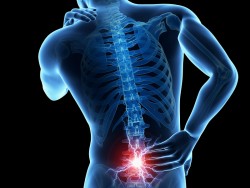
A spinal cord stimulator is a surgically implanted device that effectively relieves chronic pain.
This device stimulates specific nerves in the spinal cord in order to stop the pain. Most people who use spinal cord stimulators find that they are extremely effective for treating chronic pain due to neurological disorders. The signal from the device actually disrupts the pain signal from the brain. This disruption stops the pain at its source.
The use of spinal cord stimulators requires surgery. A doctor implants the device near the spinal cord. This device emits and electrical shock that causes the disruption of the pain signals. This treatment treats chronic pain without opiates. If you are in addiction recovery, you do not have to be in pain after they implant this device.
Drug Pumps
Although these do often use opiate medications, you are not in control of the dispersal of the medication. The pump uses timed doses in order to kill the pain. There is no way to get more of the opiate and therefore no way to continue the addiction. You might go through withdrawal from high doses of opiates once you are on a lower more regulated dose but there is no potential for abuse with the implanted device. Most of these devices are set in a doctor’s office and cannot be altered without a doctor’s help.
Drug pumps are somewhat controversial because they do use opiate painkillers but the ability to overuse it is taken away from the patient’s control. Although you remain dependent on the drug, your drug use is not under your control. Most people who use these devices live happy normal lives without the addiction and high levels of pain medication.
Neuroablation
This is a last resort for pain treatment. A doctor actually destroys the nerves that are causing the pain. They use a laser or heat to disable the neural pathway to the brain. Unfortunately, this also cause peripheral nerve damage and is only used as the very last option. Most doctors will not do this unless the pain is extreme and you can no longer take opiates due to the risks associated with them.
Risks of Taking Opiates for Chronic Pain and When to Seek Opiate Addiction Treatment Help
There are Other Options
If the prospect of surgery and implanted devices is not an option you will consider there are many other treatment options for both chronic pain and addiction. Methadone, Suboxone, and other medications help with withdrawal and still treat the chronic pain. To find out more about these other nonsurgical and surgical options call us at 877-743-0081 (Who Answers?).
 Opium Addiction Treatment -
Opium is a substance that is derived from the poppy plant and which causes a euphoric state when smoked or eaten. The drug is considered a narcotic and was widely abused throughout Chinese culture for hundreds of years before the dangers of addiction were first noticed. Opium addiction has led to life-threatening consequences, dangerous illness and a world ...
Opium Addiction Treatment -
Opium is a substance that is derived from the poppy plant and which causes a euphoric state when smoked or eaten. The drug is considered a narcotic and was widely abused throughout Chinese culture for hundreds of years before the dangers of addiction were first noticed. Opium addiction has led to life-threatening consequences, dangerous illness and a world ...  What Leads to Opioid Abuse? -
According to the National Library of Medicine, “When used carefully and under a health care provider’s direct care, [prescription opioids] can be effective at reducing pain” and will not cause addiction, overdose, and the other issues associated with opioid abuse. But what leads a person to abusing opioids and creating a dangerous problem in their ...
What Leads to Opioid Abuse? -
According to the National Library of Medicine, “When used carefully and under a health care provider’s direct care, [prescription opioids] can be effective at reducing pain” and will not cause addiction, overdose, and the other issues associated with opioid abuse. But what leads a person to abusing opioids and creating a dangerous problem in their ...  Signs Your Child is Abusing Opium Derivatives -
Opium carries with it images of far flung, exotic locales. We think of opium dens and Chinese men smoking for days from long pipes. Opium dreams were inspirations for the poet Coleridge and for composer Chopin. Opium feels dated and somewhat romantic. But, it isn’t. If someone in your life is abusing opium, you know ...
Signs Your Child is Abusing Opium Derivatives -
Opium carries with it images of far flung, exotic locales. We think of opium dens and Chinese men smoking for days from long pipes. Opium dreams were inspirations for the poet Coleridge and for composer Chopin. Opium feels dated and somewhat romantic. But, it isn’t. If someone in your life is abusing opium, you know ...  Opioid Medication List -
Opioids, or narcotics, are a type of drug that cause pain relief, drowsiness, and in high doses, euphoria. According to the DEA, “Narcotics/opioids come in various forms, including: tablets, capsules, skin patches… liquid form for oral use and injection, suppositories, and lollipops.” Below is a list of the most commonly used opioid medications. Opioid Medications ...
Opioid Medication List -
Opioids, or narcotics, are a type of drug that cause pain relief, drowsiness, and in high doses, euphoria. According to the DEA, “Narcotics/opioids come in various forms, including: tablets, capsules, skin patches… liquid form for oral use and injection, suppositories, and lollipops.” Below is a list of the most commonly used opioid medications. Opioid Medications ...  When Does Withdrawal from Opiates Require Professional Treatment Help? -
The following signs and symptoms can help determine whether someone requires a professional detox program for opiate withdrawal.
When Does Withdrawal from Opiates Require Professional Treatment Help? -
The following signs and symptoms can help determine whether someone requires a professional detox program for opiate withdrawal.