According to the Substance Abuse and Mental Health Services Administration’s 69th Meeting Notes, there is limited information on Kratom, more study is required before uses and potential for abuse is determined. Presumably, these studies are currently underway. Researchers are looking into the potential applications of taking Kratom for opiate withdrawal and a variety of other conditions. There are reports of Kratom use in dozens of countries for hundreds of years. This being said, there is no easy way out of opiate addiction and Kratom like many other drugs is not a replacement for a doctor’s care. Before considering Kratom to treat opiate withdrawal there are several things you should know, including what it is, potential uses, its side effects, the potential for addiction, and why it seems to work.
What is Kratom?
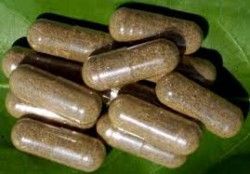
Kratom can be used to relieve symptoms of opiate withdrawal.
Kratom or Mitragyna speciosa Korth is a leaf from a tree in Thailand. Mitragyna speciosa is a tree related to coffee. In Thailand the leaf was chewed for:
- energy,
- to relieve symptoms of opiate withdrawal,
- relief of cramps,
- relief of muscle pain, and
- as a general painkiller.
Unfortunately, several people decided to mix Kratom with a variety of other drugs into something called 4 X 100 which is not only addictive, it has the potential to be toxic. Thailand is currently considering reversing this ban because it seems to be useful in reducing opiate withdrawal symptoms. In the United States Kratom is marketed as not for human consumption.
Side effects of Kratom
The side effects of Kratom vary depending on the length, type, and amount of use. In addition, there are different strains of Kratom that effect people differently. Some of the common side effects of Kratom are
Mild:
- drowsiness,
- constipation,
- nausea,
- cramping, and
- fatigue when used in large amounts.
Severe:
- tolerance when used daily,
- headache,
- depression,
- anxiety, and
- the possibility of seizures when used with other substances or when mixed with illicit and prescription drugs.
With long term use 3 to 30 years:
- anorexia,
- dry mouth,
- constipation,
- frequent urination, and
- skin darkening,
The packaging of Kratom and many of the information sources on Kratom state, that severe side effects may be experienced if Kratom is not used properly. This is similar to many other herbal supplements on the market. There is some information according to Fox News that states, most moderate users do not experience severe side effects or long term damage. There is at least one report of a user having a seizure after taking Kratom combined with other medications, in this case a stimulant. It is not recommended that Kratom be taken with other prescription and nonprescription medications.
Kratom and addiction
Many sources say that Kratom is used to treat addiction and has been since the 1800s when people used it for opium withdrawal. When taken as an opiate or opioid replacement it works to reduce the symptoms of withdrawal. It is important to note that there are no relevant scientific studies in the United States that indicate that it is anything more than an herbal supplement that may be used as a painkiller and a replacement for opiate painkillers. There are many accounts by users that have successfully stopped opiate use with Kratom but these reports are unsubstantiated.
Why does Kratom work for withdrawal?
It is suggested that Kratom works the same way that methadone, Suboxone, and other conventional opiate withdrawal medications. Kratom is not considered an opiate but does produce opiate like effects in higher doses. This is consistent with other opiate replacement medications. It is similar to an opiate in that it is a painkiller, so it blocks the pain associated with opiate withdrawal. Not much information exists regarding whether Kratom stops opiate or opioid cravings or not. It is also a stimulant so it reduces fatigue and lack of motivation commonly associated with opiate withdrawal.
Kratom withdrawal
Like many other drugs, Kratom has the potential for abuse. When used daily for an extended period of time a user experiences withdrawal. The symptoms of Kratom withdrawal are:
- depression,
- irritability,
- constipation,
- hostility,
- nausea, and
- a feeling of despondence.
These symptoms are said to happen only when Kratom is used for longer than the recommended period, in higher than the recommended dosages, and with other medications. It is not recommended that anyone take Kratom outside of its intended purposes or with other stimulants or depressants.
Warnings about using Kratom
Doctors do not know much about Kratom and its uses. This means that if something should go wrong in the withdrawal process it is important to tell the doctors, nurses, and paramedics about it. Another concern about using Kratom for withdrawal is the purity of it. Many less than reputable manufacturers mix other substances into the Kratom. Like the 4 X 100 that is now illegal in Thailand, the substances mixed in can be both dangerous and addictive. According to the Food and Drug Administration Kratom is not approved for human consumption. According to the Drug Enforcement Administration, Kratom is legal but is on their list of Drugs and Chemicals of Concern due to its potential for abuse. With Kratom’s fate undecided as of 2015, although Kratom may work for opiate withdrawal, it is a good idea to know all of the facts before taking it.
 What are Opiate Derivatives? -
Opiate drugs remain the most effective treatment for relieving pain symptoms of most any kind. Conditions involving back pain, post-surgery pain or just a plain old headache can all be treated using opiate drugs. Opiate derivatives span across multiple groupings within the opiate drug class, with opiate derivatives making up the majority of opiate drugs ...
What are Opiate Derivatives? -
Opiate drugs remain the most effective treatment for relieving pain symptoms of most any kind. Conditions involving back pain, post-surgery pain or just a plain old headache can all be treated using opiate drugs. Opiate derivatives span across multiple groupings within the opiate drug class, with opiate derivatives making up the majority of opiate drugs ...  Finding Help for a Loved One Who is Addicted to Opium -
Opium is a substance that derives from the sap produced from the seed of the poppy plant. Opium in its raw form is extremely potent, because it contains multiple alkaloids, such as morphine and codeine. All drugs that come from opium, which includes most prescription painkillers and heroin, are highly addictive. According to the National ...
Finding Help for a Loved One Who is Addicted to Opium -
Opium is a substance that derives from the sap produced from the seed of the poppy plant. Opium in its raw form is extremely potent, because it contains multiple alkaloids, such as morphine and codeine. All drugs that come from opium, which includes most prescription painkillers and heroin, are highly addictive. According to the National ...  Why Hobbies are Important Tools for Opiate Addiction Recovery -
According to the National Institute on Drug Abuse, it is not enough that you simply get over the physical part of addiction. You need to develop a lifestyle that fosters recovery. One way to do this is to keep active. Many stress free activities can hold your interest. Most of these activities are low cost ...
Why Hobbies are Important Tools for Opiate Addiction Recovery -
According to the National Institute on Drug Abuse, it is not enough that you simply get over the physical part of addiction. You need to develop a lifestyle that fosters recovery. One way to do this is to keep active. Many stress free activities can hold your interest. Most of these activities are low cost ...  Opium Withdrawal Treatment Options -
The opium poppy, Papaver somniferum, is the source from which many narcotics including morphine, opium, codeine, and heroin are extracted. Opium is a highly addictive non-synthetic narcotic. “The intensity of opium’s euphoric effects on the brain depends on the dose and route of administration. It works quickly when smoked because the opiate chemicals pass into ...
Opium Withdrawal Treatment Options -
The opium poppy, Papaver somniferum, is the source from which many narcotics including morphine, opium, codeine, and heroin are extracted. Opium is a highly addictive non-synthetic narcotic. “The intensity of opium’s euphoric effects on the brain depends on the dose and route of administration. It works quickly when smoked because the opiate chemicals pass into ...  Helping Your Family Cope with Your Addiction Recovery Process -
Recovering from addiction can be difficult for everyone involved, which is why there are various treatment options that involve the families of addicts.
Helping Your Family Cope with Your Addiction Recovery Process -
Recovering from addiction can be difficult for everyone involved, which is why there are various treatment options that involve the families of addicts.