Opium exists as a natural analgesic agent in the form of the opium poppy seed plant. Consequently, a wide range of prescription (and illegal) drugs has been formulated from this natural material. Whether taken for medicinal or recreational purposes, opium-derived drugs pose a high risk for abuse and addiction.
People who’ve taken opium-type substances, or opiates for a long time will likely develop signs of opium long term effects. As with most any addictive substance, opium effects develop over time with continued use. Opium long term effects result from the cumulative effects of these drugs on brain and body functions.
As addiction to opiates becomes the driving force behind continued use, it only works to worsen and intensity opium long term effects. As long as a person continues to abuse these types of drugs, he or she will experience ongoing deterioration of brain and body functions from opium long term effects.
Opium Effects
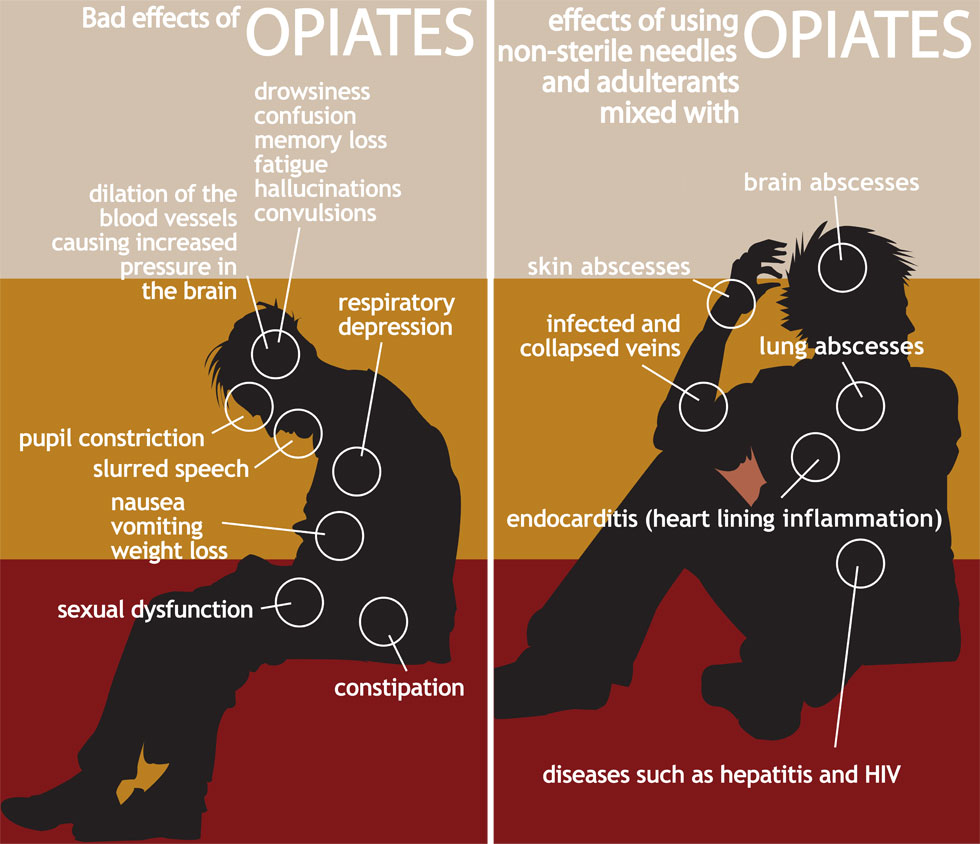
Opium and other opiates have significant short and long-term effects.
Opium’s natural analgesic effects start in the brain and travel throughout the body via the central nervous system. Opium has a similar chemical make-up as the brain’s own natural endorphin or pain-relieving chemicals. When ingested, the brain metabolizes opium in the same way it metabolizes its own endorphin materials.
According to the University of California at Los Angeles, opium long term effects result from brain chemical imbalances that develop as opium overpowers normal brain functions. These combined effects make opium (and its derivatives) one of the most powerful psychoactive drugs in existence.
Physical Dependency
With ongoing opium use, brain chemical processes become physically dependent on the effects of the drug. As one of the more distressing opium long-term effects, someone who’s physically dependent on opium will start to experience withdrawal effects on a regular basis.
Withdrawal effects commonly take the form of:
- Bouts of depression
- Anxiety episodes
- Fatigue
- Gastrointestinal problems (stomach cramps, nausea, diarrhea)
Continued opium use also triggers increasing tolerance levels in the brain. This means the longer a person uses the larger the dose needed to create the same expected effects.
Brain Damage Effects
As the brain’s tolerance levels continue to rise, users eventually reach a point where no amount of opium will produce the desired effects, nor will it relieve withdrawal effects. At this stage, opium long term effects have caused real damage to brain structures and, for the most part, have warped normal brain chemical processes.
Even though brain tolerance levels continue to increase, large dosage amounts can quickly overwhelm other major bodily processes, such as respiratory and cardiac functions. These conditions place users at a high risk of overdose.
Addiction
Of all opium long term effects, addiction exerts the greatest damage of all in a person’s life. The physical toll an opiate addiction takes on a person’s health can lead to the development of other serious medical conditions.
Once addiction takes over a person’s thoughts and behaviors, it becomes difficult to maintain relationships or hold a job for any length of time. Ultimately, users see their lives slowly fall apart as opium’s effects take over.
 List of Common Opiate Withdrawal Symptoms -
It's important to understand what potential withdrawal symptoms you'll experience prior to detoxing from opiate drugs, in order to prepare yourself and avoid relapse.
List of Common Opiate Withdrawal Symptoms -
It's important to understand what potential withdrawal symptoms you'll experience prior to detoxing from opiate drugs, in order to prepare yourself and avoid relapse.  Spending the Holidays with Loved Ones vs. Getting Needed Opium Addiction Treatment -
Someone struggling with opium addiction may be hard pressed to make the decision to get needed treatment help. During the holiday season, this decision becomes even more so difficult to make. While the holiday season is typically a time where family and loved ones spend time together, this time of year can be especially troublesome ...
Spending the Holidays with Loved Ones vs. Getting Needed Opium Addiction Treatment -
Someone struggling with opium addiction may be hard pressed to make the decision to get needed treatment help. During the holiday season, this decision becomes even more so difficult to make. While the holiday season is typically a time where family and loved ones spend time together, this time of year can be especially troublesome ...  How Painful are the Symptoms of Opium Withdrawal? -
Opium withdrawal can be a slow, painful, and difficult process. These are the symptoms most associated with opium withdrawals and their varying degrees of pain. Factors Influencing Withdrawal Everyone reacts differently to opium withdrawal based on certain factors specific to each experience. The level of drug use will strongly affect the severity of the withdrawal ...
How Painful are the Symptoms of Opium Withdrawal? -
Opium withdrawal can be a slow, painful, and difficult process. These are the symptoms most associated with opium withdrawals and their varying degrees of pain. Factors Influencing Withdrawal Everyone reacts differently to opium withdrawal based on certain factors specific to each experience. The level of drug use will strongly affect the severity of the withdrawal ...  What Drugs Are Considered Opiates? -
Opiate drugs all have one thing in common: they depress or slow down the body’s central nervous system. According to the Institute for Substance Abuse Treatment Evaluation, some opiates come from the raw, natural substance known as opium, while others are manufactured to have the same chemical structure as the raw opium material. The chemical ...
What Drugs Are Considered Opiates? -
Opiate drugs all have one thing in common: they depress or slow down the body’s central nervous system. According to the Institute for Substance Abuse Treatment Evaluation, some opiates come from the raw, natural substance known as opium, while others are manufactured to have the same chemical structure as the raw opium material. The chemical ...  Choosing the Best Fentanyl Addiction Treatment -
By understanding your particular needs and doing the appropriate research, you can find the best Fentanyl addiction treatment for you.
Choosing the Best Fentanyl Addiction Treatment -
By understanding your particular needs and doing the appropriate research, you can find the best Fentanyl addiction treatment for you.