If you are taking prescription painkillers for chronic pain, it is important to be concerned about the possible dangers of these drugs. When a person takes opioids in the way they were prescribed without deviating from their dosage, these drugs are usually not harmful, but there is still a chance for possible side effects as well as a developing dependence. And especially when someone abuses these drugs, even more harmful issues are likely to occur.
Opioids Can Be Deadly
According to the NIDA, “Taken as prescribed, opioids can be used to manage pain safely and effectively. However, when abused, even a single large dose can cause severe respiratory depression and death.” This is because opioid drugs slow down the body’s functions, including respiration.
When a person takes a dose that is higher than prescribed or takes the drug more often than they should, it can lead to respiratory depression so intense that the individual’s breathing may slow to dangerous levels or stop altogether. It is important to be aware of this issue. However, if you take opioids as prescribed, it normally will not occur.
Opioids Can Be Addictive
“Properly managed, short-term medical use of opioid analgesics rarely causes addiction––characterized by compulsive drug seeking and use despite serious adverse consequences.” Addiction is an extremely debilitating disease that can affect a person’s entire life including their finances, relationships, career, health, and behavior. Although a person who takes opioids properly should not worry about addiction, it is important to understand that the prescribed dosage is given specifically so that these issues do not occur.
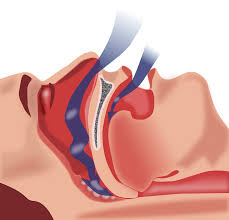
One potential side effect of Opioid use is Central Sleep Apnea.
In addition, dependence and tolerance will occur as a result of long-term opioid use, whether a person is abusing these drugs or not. These issues can lead to addiction because they may cause a person to start taking more of the drug in order to feel the same effects (tolerance) or feel as if they need it in order to manage stress, fall asleep at night, or generally function (dependence).
Opioids Can Cause Side Effects
Many of the common side effects caused by regular opioid use are not dangerous, including constipation, dry mouth, nausea sweating, and mood swings. However, some effects can be harmful. These include:
- Central Sleep Apnea
The issue of central sleep apnea could develop with regular, long-term opioid use. “This means there are short periods of time that you stop breathing during sleep,” according to the University of Utah Health Care. - Lung problems and heart problems
Because of the sedation and the slowed breathing that can occur with even low doses of opioids, the heart and lungs may sustain possible damage over time as a result of the individual not getting enough air. - Seizures
Some prescription painkillers, like oxycodone, can cause seizures in certain users (NLM).
Yes, it is important to be concerned about the dangers of opioid drugs, especially if you are planning on taking them for a prolonged period of time. But patients who take these drugs should also be aware that most of the issues they normally cause are related to overuse and abuse and that following their doctors’ instructions will help these individuals avoid them.
 Physical and Psychological Opium Withdrawal Symptoms -
Opium withdrawal causes a person to experience both physical and psychological symptoms which are not only awkward but often painful. While the NLM states that “opioid withdrawal reactions are very uncomfortable but are not life threatening,” they often last for about a week and can be so unbearable that many users relapse just to make ...
Physical and Psychological Opium Withdrawal Symptoms -
Opium withdrawal causes a person to experience both physical and psychological symptoms which are not only awkward but often painful. While the NLM states that “opioid withdrawal reactions are very uncomfortable but are not life threatening,” they often last for about a week and can be so unbearable that many users relapse just to make ...  The Benefits of Brief Intervention Therapy for Curbing Opiate Abuse Practices -
Alcohol and drug addiction affects different people in different ways. Likewise, some people enter the recovery process during the early stages of opiate use while others may take considerably longer. Brief intervention therapy works to meet each person where he or she is at in the recovery process. While not as well publicized as traditional ...
The Benefits of Brief Intervention Therapy for Curbing Opiate Abuse Practices -
Alcohol and drug addiction affects different people in different ways. Likewise, some people enter the recovery process during the early stages of opiate use while others may take considerably longer. Brief intervention therapy works to meet each person where he or she is at in the recovery process. While not as well publicized as traditional ...  4 Tips for Talking to Your Child about Drug Use -
Becoming a parent is one of the biggest moments of anyone’s life. However, even after years of going through the various stages of growth, it can be very hard for a parent to discuss drugs with their children. According to the U.S. Department of Health and Human Services, when a parent talks to their kids ...
4 Tips for Talking to Your Child about Drug Use -
Becoming a parent is one of the biggest moments of anyone’s life. However, even after years of going through the various stages of growth, it can be very hard for a parent to discuss drugs with their children. According to the U.S. Department of Health and Human Services, when a parent talks to their kids ...  Does Subutex Block Opiates? -
People coming off long-term opiate addictions well know how opiate effects can persist long after they stop using. Without some form of medication treatment in place, many recovering addicts would have a difficult time maintaining abstinence on an ongoing basis. As one of many FDA approved opiate addiction treatment medications, Subutex offers certain therapeutic benefits ...
Does Subutex Block Opiates? -
People coming off long-term opiate addictions well know how opiate effects can persist long after they stop using. Without some form of medication treatment in place, many recovering addicts would have a difficult time maintaining abstinence on an ongoing basis. As one of many FDA approved opiate addiction treatment medications, Subutex offers certain therapeutic benefits ...  The Most Common Opium Abuse Side Effects -
Opium, and both the natural and synthetic drugs derived from it, can cause a number of side effects when the drug is abused. These side effects can range from annoying to severe, but the most common of them can all be problematic in their own way. Itchiness Opium causes the skin to become extremely itchy ...
The Most Common Opium Abuse Side Effects -
Opium, and both the natural and synthetic drugs derived from it, can cause a number of side effects when the drug is abused. These side effects can range from annoying to severe, but the most common of them can all be problematic in their own way. Itchiness Opium causes the skin to become extremely itchy ...