According to the Centers for Disease control, heroin overdose has now reached epidemic proportions. What is even more surprising is that many of these overdose deaths are after the person receives treatment for heroin addiction. It seems strange that so many people who sought treatment still overdose on this powerful drug. There are a few reasons why this could be happening.
Tolerance after Medication Assisted Treatment
One reason is due to building a tolerance level after medication assisted treatment. When someone is on methadone or one of the buprenorphine drugs, they develop a tolerance to opiates and opioids. If they suddenly stop using the methadone and switch back to heroin, they run the risk of overdose due to this tolerance.
Also in some cases, the tolerance to the drug causes them to take heroin or another opiate. Since they do not get high on the methadone or buprenorphine substitute drug and they still want to feel the euphoria, they might decide to take heroin or an opiate along with their normal treatment dose.
Buprenorphine and methadone are designed to plateau the euphoric feeling of each drug. When this happens, it stops the user from getting any higher. Unfortunately, it is possible at that point to take too much of the heroin or opiate and still overdose even though they are not getting the euphoric effect.
Leaving Methadone or Buprenorphine Treatment Too Early
Sometimes when you leave substance abuse treatment early, you run the risk of overdoing it when you go back to your drug of choice. Some people who haven’t been high in a long time, accidently take too much in order to achieve the high that they expect. This is a simple case of overdose through taking too much.
Medication Assisted Heroin Treatment has positive results when a person stays in the program. Unfortunately, according to the Substance Abuse and Mental Health Services Administration, as many as 50 percent of those in Medication Assisted Therapy do not complete the full program and therefore are at a higher risk for this happening.
Poly-Drug Use
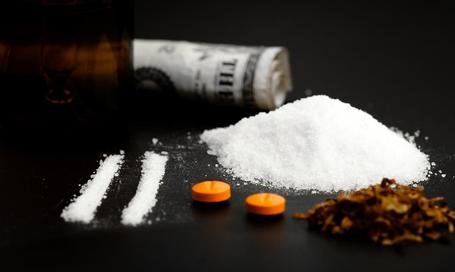
Most heroin users also use other drugs.
Many overdose deaths particularly heroin overdose deaths are attributable to more than one drug. Opiate overdose is very treatable. All a paramedic or other professional has to do is administer a drug called Narcan. This drug sends the body into instant opiate withdrawal. This stops the overdose immediately. Unfortunately, many users do not just do one drug at a time.
Some combinations are just as lethal as large amounts of heroin. If someone is overdosing on both heroin and ketamine, the Narcan can prevent the heroin overdose but not the symptoms of taking too much ketamine. Therefore, the person still dies of an overdose.
This occurrence happens more often than it should when someone is in or has recently left heroin treatment. A large combination of heroin, methadone, buprenorphine, and ketamine will easily kill someone if the doctors cannot treat all of the drugs at once.
For more information on overdose deaths after heroin treatment or for information on medication assisted heroin treatment, give us a call at 877-743-0081 (Who Answers?).
 A New Drug on the Market: Opana -
According to the National Institute on Drug Abuse Opana is an increasing problem in the Northern United States. Like most drugs of its class, it is highly addictive and can cause major damage in a short time. In order to protect yourself and those that you love from this new drug threat, it is important ...
A New Drug on the Market: Opana -
According to the National Institute on Drug Abuse Opana is an increasing problem in the Northern United States. Like most drugs of its class, it is highly addictive and can cause major damage in a short time. In order to protect yourself and those that you love from this new drug threat, it is important ...  Drugs You Didn’t Know Were Opium and Morphine Derivatives -
Opioids are drugs that are either derived from the poppy plant, from opium and morphine themselves, or are synthetically created to act like opioid analgesics. Certain drugs that are derived straight from opium are called opiates and can be highly addictive while causing physical and psychological dependence and withdrawal symptoms. Opium & Morphine According to ...
Drugs You Didn’t Know Were Opium and Morphine Derivatives -
Opioids are drugs that are either derived from the poppy plant, from opium and morphine themselves, or are synthetically created to act like opioid analgesics. Certain drugs that are derived straight from opium are called opiates and can be highly addictive while causing physical and psychological dependence and withdrawal symptoms. Opium & Morphine According to ...  What Are Opiates? -
Opiates come in the form of a variety of legal and illegal drugs that all carry the potential for abuse and addiction.
What Are Opiates? -
Opiates come in the form of a variety of legal and illegal drugs that all carry the potential for abuse and addiction.  Methods Used in Opium Detox -
Opium Abuse Drugs that are made form opium, such as, heroin, morphine, codeine, and prescription painkillers such as OxyContin, Vicodin, Percocet, and Percodan, are commonly abused. Opium based drugs result in millions of people using them illegally every year, leading to millions of people developing addiction and dependencies to them. Heroin is one of the most ...
Methods Used in Opium Detox -
Opium Abuse Drugs that are made form opium, such as, heroin, morphine, codeine, and prescription painkillers such as OxyContin, Vicodin, Percocet, and Percodan, are commonly abused. Opium based drugs result in millions of people using them illegally every year, leading to millions of people developing addiction and dependencies to them. Heroin is one of the most ...  Opiate Addiction Help for Loved Ones -
If your loved one suffers from opiate addiction, there are resources available to help you and others affected through this difficult time.
Opiate Addiction Help for Loved Ones -
If your loved one suffers from opiate addiction, there are resources available to help you and others affected through this difficult time.