According to the National Institute on Drug Abuse, there are thousands of opiate addicts in the United States. Many of these people need to hide the drugs that they have from others so that no one will discover their addiction. They have some pretty creative ways to hide their opiates from even the people who know them well.
Toilet Tanks
Inside a toilet tank is one of the sneakier places to hide opiates. They simply seal them in a freezer bag and drop them in. The water is clean and there is no danger of them being discovered unless something goes wrong with the toilet and the tank cover needs to be removed.
Toilet Paper Roles
A toilet paper roll is one of the perfect places to conceal a pill bottle. Pill bottles are about the same size and once wedged in are unlikely to slip out. Most people buy toilet paper in bulk and then store it out of site. It is also an easy place to get to the stash of opiates, all they have to do is go to the bathroom.
Inside other Pills or Pill Bottles
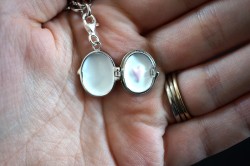
Some people hide opiates in jewelry such as lockets.
Capsules can be opened and the smaller opiates can be put inside. This conceals the pill and makes it look like something harmless. This is particularly true of antibiotics which are often large and come in capsule form. They can also simply switch the opiates for things like aspirin or other over the counter medications.
Inside Jewelry
There is a variety of jewelry made to conceal all manner of powders and pills. These pieces have been around since the middle ages and are still manufactured and sold in many areas. Lockets are also excellent places to hide smaller pills.
In Candy Wrappers or Bags of Candy
Inside candy wrappers, particularly those that twist shut is another popular creative hiding place. This works especially well for people who deal in large quantities of drugs.
Hollowed out Spaces in Books
It is very easy to tear or cut a few holes inside the books. This is one of the more classic ways people hide opiates and other drugs. Most people who hide opiates inside books will mark the book somehow so they remember which one it is.
Behind Books on Shelves
By pulling a few books out it is easy to conceal a pill bottle or several pill bottles behind them. By evening out the books no one can tell that there is something behind them. This also makes the pills easy to get to in the event the user wants to take an opiate.
In Hollowed Deodorant Canisters
This is a particularly creative way to hide opiates. You can use some of the deodorant and then unscrew the rest. Once the opiates are in a baggy you put them under the deodorant that’s left and put everything back together. Not many people will look inside the deodorant.
If you are Hiding Drugs Chances are it is Time to Seek Treatment
If you are hiding drugs in these or any other places, chances are you need drug treatment. Treatment for opiate addiction is available just about everywhere in the United States. To find it all you have to do is call 877-743-0081 (Who Answers?).
 The Makings of an Opiate Overdose & the Need for Opiate Addiction Treatment -
The more you abuse opiate drugs, the higher your risk of an overdose. The following physical and psychological changes indicate a need for professional treatment help.
The Makings of an Opiate Overdose & the Need for Opiate Addiction Treatment -
The more you abuse opiate drugs, the higher your risk of an overdose. The following physical and psychological changes indicate a need for professional treatment help.  Opium Addiction Treatment -
Opium is a substance that is derived from the poppy plant and which causes a euphoric state when smoked or eaten. The drug is considered a narcotic and was widely abused throughout Chinese culture for hundreds of years before the dangers of addiction were first noticed. Opium addiction has led to life-threatening consequences, dangerous illness and a world ...
Opium Addiction Treatment -
Opium is a substance that is derived from the poppy plant and which causes a euphoric state when smoked or eaten. The drug is considered a narcotic and was widely abused throughout Chinese culture for hundreds of years before the dangers of addiction were first noticed. Opium addiction has led to life-threatening consequences, dangerous illness and a world ...  Can Yoga Be a Part of My Opium Addiction Treatment? -
Yoga can be an extremely beneficial part of a well-rounded addiction treatment program. If you have been abusing opium and require safe, professional treatment, call to find rehab centers that will cater to your needs. The Benefits of Yoga There are many benefits associated with the practice of yoga that can be extremely helpful to ...
Can Yoga Be a Part of My Opium Addiction Treatment? -
Yoga can be an extremely beneficial part of a well-rounded addiction treatment program. If you have been abusing opium and require safe, professional treatment, call to find rehab centers that will cater to your needs. The Benefits of Yoga There are many benefits associated with the practice of yoga that can be extremely helpful to ...  Why Opium Dependence is Dangerous -
Alcohol and drug dependence has become a pressing issue within the U. S., affecting people of all ages, races and socioeconomic levels. Opium drugs in particular lead the pack as one of the most highly addictive substances available. Like all addictive substances, opium exerts its most damaging effects inside the brain. In effect, any drug ...
Why Opium Dependence is Dangerous -
Alcohol and drug dependence has become a pressing issue within the U. S., affecting people of all ages, races and socioeconomic levels. Opium drugs in particular lead the pack as one of the most highly addictive substances available. Like all addictive substances, opium exerts its most damaging effects inside the brain. In effect, any drug ...  Surprising Ways to Help a Loved One During Recovery from Opium Addiction -
One of the reasons addicts return to substance abuse again and again is their warped relationship with dopamine. When it experiences pleasure, the brain increases levels of dopamine, a neurotransmitter (chemicals that transmit signals in the brain). This is one reason human beings strive to seek out pleasurable activities; they get rewarded. When opium is ...
Surprising Ways to Help a Loved One During Recovery from Opium Addiction -
One of the reasons addicts return to substance abuse again and again is their warped relationship with dopamine. When it experiences pleasure, the brain increases levels of dopamine, a neurotransmitter (chemicals that transmit signals in the brain). This is one reason human beings strive to seek out pleasurable activities; they get rewarded. When opium is ...