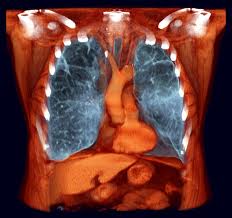
Many long & short term side effects result from the use of opium including damage to the lungs and other organs. Repeated use of opium in a manner conducive to causing physical dependence can lead to lifelong consequences that are both difficult to treat and difficult to cope with. Although the side effects of opium that are felt short-term such as euphoria or sedation may be comforting, as tolerance develops, even these side effects will diminish and the negative aspects of the opium use will quickly begin to set in.
Initially, smoking opium will lead to a euphoric state that then quickly turns to a sleepy, sedated state for the user. Some people report the effects of opium as being similarly related to those of alcohol or marijuana. The short term side effects of smoking opium are mostly mild unless a larger amount of the drug is used in which case these effects can be greatly intensified and may result in hallucinations or paranoia.
 Heightened anxiety is possible for some people, especially if a larger dose of opium is consumed or as the opium wears off. Most of the time, opium does not have major risks such as death from overdose but when the drug is refined into other derivatives such as heroin or morphine the risk of overdose is greatly increased and an inherent risk of death occurs.
One of the more uncomfortable side effects of opium is constipation. When the drug wears off, most users report diarrhea. Another common opium side effect is dry mouth and dehydration. Frequent urination may also occur when opium is smoked and persistent thirst is imminent.
Smoking opium can lead to risky behaviors and may result in an individual doing things that he or she otherwise would not do if they weren’t under the influence of opium. Most of these uninhibited behaviors will go back to normal as the opium’s effects wear off which typically takes about 4-6 hours. For some, the poor behaviors could persist due mainly to addiction and the desire to take part in risky behaviors associated with finding or using more drugs.
Long term side effects of using opium include damage to the internal organs and physical dependence. Opium addiction can set in after just a few weeks of using this drug and the subsequent withdrawal symptoms that occur when an individual is addicted to opium can be difficult and uncomfortable for the user. Many people continue to smoke opium simply to ward off the withdrawal symptoms that they feel when they don’t use the drug after physical dependence has set in. The best way to avoid all of the potentially dangerous side effects of opium is to avoid use of opium or it’s derivatives all together.
 How Does Opium Fund Terrorism? -
For anyone that has ever dealt with an opium addiction, or witnessed it in a loved one, it is a scary thing. The damages wrought on the body and mind are inarguable and devastating. Perhaps even more frightening is the little considered fact that opium addictions help fund criminal and terrorist organizations in a big ...
How Does Opium Fund Terrorism? -
For anyone that has ever dealt with an opium addiction, or witnessed it in a loved one, it is a scary thing. The damages wrought on the body and mind are inarguable and devastating. Perhaps even more frightening is the little considered fact that opium addictions help fund criminal and terrorist organizations in a big ...  How is Meperidine Addiction Treated? -
Meperidine addiction can occur, just like with any other type of opioid drug, when an individual abuses it. If you have been consistently misusing your meperidine prescription––or have been taking it without a prescription at all––please call now to find treatment options that will help you recover. Initial Meperidine Addiction Treatment Also known by the ...
How is Meperidine Addiction Treated? -
Meperidine addiction can occur, just like with any other type of opioid drug, when an individual abuses it. If you have been consistently misusing your meperidine prescription––or have been taking it without a prescription at all––please call now to find treatment options that will help you recover. Initial Meperidine Addiction Treatment Also known by the ...  How to Avoid Relapse After Opiate Addiction Treatment -
According to the National Institute on Drug Abuse, heroin and opiate addiction are powerful addictions. The chances of relapsing back into opiate addiction are extremely high. Fortunately, there are a variety of simple ways to avoid relapse. Avoid People and Places you Associate with Using It is likely that the people and places you used ...
How to Avoid Relapse After Opiate Addiction Treatment -
According to the National Institute on Drug Abuse, heroin and opiate addiction are powerful addictions. The chances of relapsing back into opiate addiction are extremely high. Fortunately, there are a variety of simple ways to avoid relapse. Avoid People and Places you Associate with Using It is likely that the people and places you used ...  How Opium Addiction Changes the Way You Think -
Any one drug’s ability to alter the brain’s chemical makeup is what most characterizes its addiction potential. As one of the most addictive substances in existence, opium effects greatly disrupt the brain’s chemical equilibrium. The brain’s delicate balance of chemicals dictates all facets of a person’s life experience, including the way he or she feels ...
How Opium Addiction Changes the Way You Think -
Any one drug’s ability to alter the brain’s chemical makeup is what most characterizes its addiction potential. As one of the most addictive substances in existence, opium effects greatly disrupt the brain’s chemical equilibrium. The brain’s delicate balance of chemicals dictates all facets of a person’s life experience, including the way he or she feels ...  Choosing the Best Actiq Addiction Treatment -
The best Actiq addiction treatment for you will depend on your addiction severity as well as other personal needs.
Choosing the Best Actiq Addiction Treatment -
The best Actiq addiction treatment for you will depend on your addiction severity as well as other personal needs.