Opium, naturally derived from the opium poppy plant has been used as a mind-altering drug for thousands of years ranking second only to alcohol in prevalence of use. According to Wellesley College, the opium poppy plant’s seedpod contains over fifty identified alkaloid substances, some of which include heroin, morphine and codeine.
In terms of how addictive is opium, its use as a raw material for heroin and morphine drugs pretty much tells the story. In spite of its addiction potential, opium and opium-like ingredients form the basis for many of the prescription pain relief medications on the market.
While these different opium varieties do incorporate opium in varying amounts, the issue surrounding how addictive is opium has as much to do with opium’s effects on the body as it does its effects on the mind.
Opium Use
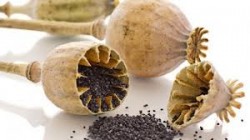
Opium is a very addictive substance.
Opium can be taken as an injection, smoked or taken in pill form. According to the Drug Enforcement Administration, combining opium with other drugs, such as marijuana and methamphetamine are also common practices.
An opium “high” produces feelings of euphoria, calm and well-being. Likewise, “highs” produced by heroin and prescription pain medications bring on the same effects.
As a medicinal agent, opium (and opium-type substances) slows down pain signaling processes between cells, which accounts for its pain-relieving effects. Unfortunately, these medicinal effects come with unintended consequences that can place a person’s health and well-being at considerable risk. Eventually, the answer to ‘how addictive is opium’ becomes painfully apparent the longer a person uses.
Opium Effects
Opium’s overall effects gradually weaken brain cell structures. When functioning normally, brain cells secrete the neurotransmitter chemicals that regulate central nervous system processes.
How addictive is opium depends on the number of days or months a person uses as well as the dosage amounts taken. Over time, cells grow weaker and come to rely on opium as means for secreting needed neurotransmitter chemicals. In effect, opium takes over central nervous system processes as brain cell structures break down.
So, how addictive is opium? Any drug capable of commandeering brain cell functions can easily take over a person’s thoughts, motivations and behaviors.
Psychological Dependence
An addiction to opium has as much to do with how a person thinks as the actual effects the drug has on the body. Active users that wonder ‘how addictive is opium’ likely still have the presence of mind to acknowledge the changes taking place in their lives.
Once addicted, users have no interest in asking ‘how addictive is opium’ as the drug’s effects have altered their ability to reason and see things as they really are. In effect, this psychological dependence becomes the linchpin in the addiction cycle.
People who’ve used opium or opium-based drugs for months or years are simply not able to take the time to consider the effects of the drug in their lives. Considering how this drug takes over the mind and body, the question, “how addictive is opium?” is best asked during the early stages of use when reasoning and good decision-making are still within a person’s reach.
 Methods Used in Opium Detox -
Opium Abuse Drugs that are made form opium, such as, heroin, morphine, codeine, and prescription painkillers such as OxyContin, Vicodin, Percocet, and Percodan, are commonly abused. Opium based drugs result in millions of people using them illegally every year, leading to millions of people developing addiction and dependencies to them. Heroin is one of the most ...
Methods Used in Opium Detox -
Opium Abuse Drugs that are made form opium, such as, heroin, morphine, codeine, and prescription painkillers such as OxyContin, Vicodin, Percocet, and Percodan, are commonly abused. Opium based drugs result in millions of people using them illegally every year, leading to millions of people developing addiction and dependencies to them. Heroin is one of the most ...  Holistic Methods of Opium Treatment for Addiction -
Opium or opium-based drugs have taken on a reputation as some of the most addictive drugs on the market. While opium itself comes directly from the opium poppy seed plant, opium-based drugs take on a variety of forms, from Dilaudid to Demerol to morphine and even heroin. Not surprisingly, effective methods of opium treatment for ...
Holistic Methods of Opium Treatment for Addiction -
Opium or opium-based drugs have taken on a reputation as some of the most addictive drugs on the market. While opium itself comes directly from the opium poppy seed plant, opium-based drugs take on a variety of forms, from Dilaudid to Demerol to morphine and even heroin. Not surprisingly, effective methods of opium treatment for ...  15 of the Best Reasons to Seek Treatment for Heroin Addiction -
According to the Centers for Disease Control, deaths due to heroin are now reaching epidemic proportions. Fortunately, addiction to this deadly drug is highly treatable with medication, counseling, and therapy. There are many very good reasons to seek treatment for heroin addiction. 1. It is Highly Addictive Heroin is one of the most addictive substances ...
15 of the Best Reasons to Seek Treatment for Heroin Addiction -
According to the Centers for Disease Control, deaths due to heroin are now reaching epidemic proportions. Fortunately, addiction to this deadly drug is highly treatable with medication, counseling, and therapy. There are many very good reasons to seek treatment for heroin addiction. 1. It is Highly Addictive Heroin is one of the most addictive substances ...  5 Things that Contribute to Opioid Overdose -
According to the United States White House, more Americans are dying from prescription painkiller overdose than from heroin or many other illegal drugs. With this rising tide of prescription painkiller and opiate overdoses, you have to wonder what contributes to this epidemic. Several agencies have identified factors that might help predict those who are at ...
5 Things that Contribute to Opioid Overdose -
According to the United States White House, more Americans are dying from prescription painkiller overdose than from heroin or many other illegal drugs. With this rising tide of prescription painkiller and opiate overdoses, you have to wonder what contributes to this epidemic. Several agencies have identified factors that might help predict those who are at ...  4 Tips for Talking to Your Child about Drug Use -
Becoming a parent is one of the biggest moments of anyone’s life. However, even after years of going through the various stages of growth, it can be very hard for a parent to discuss drugs with their children. According to the U.S. Department of Health and Human Services, when a parent talks to their kids ...
4 Tips for Talking to Your Child about Drug Use -
Becoming a parent is one of the biggest moments of anyone’s life. However, even after years of going through the various stages of growth, it can be very hard for a parent to discuss drugs with their children. According to the U.S. Department of Health and Human Services, when a parent talks to their kids ...