Is Opium as Addictive as Prescription Opioids?
We can help you find local opiate addiction treatment, call
877-743-0081 for a free referral.
Opium is as addictive as any opioid-based drug, specifically because it is the original source for many of these substances, including a number of prescription narcotics. Call 877-743-0081 (Who Answers?) if you have been struggling with opium abuse and addiction. We will help you find safe, affordable treatment you can rely on.
An Opium High = A Heroin High
According to the Drug Enforcement Administration, “An opium ‘high’ is very similar to a heroin ‘high’; users experience a euphoric rush, followed by relaxation and the relief of physical pain.” When a person abuses heroin, the effects of the drug reach the brain very quickly, partially because of the administration of the substance, which is usually smoked or injected. Opium is often abused the same way, and while its onset may not be as fast as heroin’s, it can create a high just as strong as the latter drug’s.
This is one reason why opium can be just as addictive as prescription opioids. A person who has regular access to the substance is likely to abuse it often and in large doses until they become addicted to it. And, like with prescription drugs, a person may turn to heroin instead of their former opioid of choice because it is cheaper, has a faster onset, and is easier to obtain than any other opioid.
Opium and the History of Prescription Opioids
Though opium itself is not used as a treatment method today for pain and other ailments, it used to be. As stated in a study from the National Center for Biotechnology Information, “Opium has been known for millennia to relive pain and its use for surgical analgesia has been recorded for several centuries.” Its current status in the United States is as a Schedule II drug (determined because of its high potential for abuse), and several prescription opioids that fall into the same category include:

Both prescription opioid abuse and opium abuse can lead to drug-seeking behaviors.
- Codeine
- Fentanyl
- Hydrocodone
- Hydromorphone
- Meperidine
- Methadone
- Morphine
- Oxycodone
- Oxymorphone
In many ways, opium is just as dangerous as prescription opioids when it comes to addiction because it causes the same severe side effects (including the respiratory depression during overdose), the same tolerance and dependence, and the same drug-seeking behavior. Whether a person abuses one drug or the other will not protect them from the very possible outcome of addiction.
Switching from Opium to Prescription Opioids
In addition to all the same issues one is likely to experience with opium and prescription narcotic abuse, an individual may switch from the former to the latter because, once they start to become addicted, they will begin to seek a drug that is easier to obtain and cheaper. This can also lead to heroin abuse as stated above.
Using opium recreationally is just as dangerous as taking prescription drugs without a prescription, and an individual will require treatment in order to fight their eventual addiction.
Top 5 Benefits of Getting Treatment for Opium Addiction
Do You Need Opioid Addiction Treatment?
If you are struggling with narcotic addiction, call 877-743-0081 (Who Answers?) now. We will help you find a rehab center that takes your insurance policy as well as provides you with the treatment options that will be most beneficial to your needs. Call today and begin your recovery.
How is Methadone Addiction Treated?
We can help you find local opiate addiction treatment, call
877-743-0081 for a free referral.
Methadone addiction is treated much in the same way as any other narcotic addiction is. However, there may be some specific options you will want to choose for your treatment. If you have been struggling with methadone abuse, call 877-743-0081 (Who Answers?). We can help you find the right rehab center for your recovery.
Consider Residential Treatment
Many people who become methadone addicts do so because they were attempting to recover from opioid abuse by taking methadone and relapsed back to abuse by misusing their medication. If this experience is similar to yours, you may want to consider residential treatment.

In behavioral therapy, patients learn to correct problematic behaviors that lead to methadone abuse .
In one of these programs, you can work on your recovery in a 24-hour, controlled environment where you will not be tempted to abuse your medication, nor will you have to rely on your own ability to choose to take the right dose. This type of program can help prepare you to return to your life in the safest, most beneficial way possible.
Medications for Methadone Addiction Treatment
According to the National Institute on Drug Abuse, “Several options are available for effectively treating prescription opioid addiction,” including medications like naltrexone, methadone and buprenorphine. Out of these three medications, the use of methadone is likely the best for treating methadone addiction.
Though this may seem odd, naltrexone isn’t the right choice for individuals still struggling with severe opioid dependence and the possibility of relapse, and buprenorphine cannot usually minimize one’s withdrawal symptoms if the individual is highly dependent on opioids. Therefore, especially in a safe, controlled environment, methadone is usually the best choice for maintenance treatment.
Behavioral Therapies for Methadone Addiction Treatment
Cognitive-behavioral therapy is one of the best methods for methadone addiction rehab. As stated by the NIDA, “Individuals in CBT learn to identify and correct problematic behaviors by applying a range of different skills that can be used to stop drug abuse and to address a range of other problems that often co-occur with it.”
Patients also learn to recognize triggers that could lead them to relapse as well as to cope with cravings for opioids. An individual with a methadone addiction is also likely to suffer from a comorbid psychological disorder (as are all drug abusers), and CBT can be a helpful treatment for these issues as well.
Contingency management, motivational enhancement therapy, and family therapy can all be a part of a methadone abuser’s behavioral therapy program as well. Group therapy is also incredibly beneficial to allow patients to get to know other people dealing with the same issues they are and to start to see their addictions from a new perspective.
Can You Get an Addiction to Methadone?
Do You Need Methadone Addiction Help?
Those who have been abusing their methadone medication should seek help immediately, especially because this kind of prescription drug abuse can lead to further issues including overdose. Call 877-743-0081 (Who Answers?) now to find the best treatment program for your needs as well as rehab centers that will accept your insurance plan and help you begin the recovery you have been seeking.
5 Medications Used in Opioid Abuse Treatment
We can help you find local opiate addiction treatment, call
877-743-0081 for a free referral.
During the course of your opioid abuse treatment, you may receive several different medications depending on your needs. Call 877-743-0081 (Who Answers?) today to discuss the treatment options available to you and to find rehab centers that can meet your needs.
1. Naloxone
When an individual comes into the ED having overdosed on opioids, they will usually be given a naloxone injection. As stated by the National Library of Medicine, naloxone “works by blocking the effects of opiates to relieve dangerous symptoms caused by high levels of opiates in the blood.”
Receiving a naloxone injection is often painful because the analgesic effects of the opioids in your system will be immediately blocked. Still, this is done to protect an individual from experiencing severe respiratory depression, brain damage, coma, and death as a result of this high level substance abuse.
2. Clonidine

Naltrexone is a great option for those who are serious about recovering from opioid abuse.
For some individuals, clonidine is used to treat opioid withdrawal. The drug itself is an alpha-agonist hypotensive agent that is often used to treat high blood pressure. However, the drug can also reduce a number of the severe side effects of opioid withdrawal, including muscle and bone pain, sweating, anxiety, and flu-like symptoms.
The medication cannot treat––and may actually cause––nausea and vomiting so another drug may given to mediate these symptoms.
3. Methadone
According to the Substance Abuse and Mental Health Services Administration, “Methadone works by changing how the brain and nervous system respond to pain. It lessens the painful symptoms of opiate withdrawal and blocks the euphoric effects of opiate drugs.”
Individuals can be stabilized on the drug for several months to several years to an indefinite amount of time depending on the severity of their addiction. It is a better choice for addiction treatment for those who have severe dependencies on opioid drugs and require the use of a strong medication.
4. Buprenorphine
Buprenorphine works much in the same way that methadone does, but it is only a partial opioid agonist. This means its optimal doses may not be as intense as methadone’s, but it is much safer in the event of abuse.
It is also paired with naloxone when used as a maintenance treatment to protect it against abuse even further. Patients can receive the drug from a doctor’s office instead of having to go to a clinic.
5. Naltrexone
Naltrexone is not the best treatment for every individual, but certain people, like doctors, nurses, and professionals who are serious about wanting to end their opioid abuse, can benefit from it. It precipitates withdrawal in anyone still dependent on opioids, so many individuals refuse to take it or will stop taking it over time. However, someone who is committed to using the drug as prescribed will never relapse.
Types of Opiate Withdrawal Treatment Medications Used in Inpatient Rehab
Seek Opioid Addiction Help Now
We can help you find rehab centers that will utilize the medications, behavioral therapies, and other treatment options you need in order to recover from your opioid abuse. Call 877-743-0081 (Who Answers?) to speak to a recovery expert and to learn about your treatment options.
How is Acute Opium Overdose Treated?
We can help you find local opiate addiction treatment, call
877-743-0081 for a free referral.
Opium overdose is extremely serious and can be deadly if the individual is not taken to the hospital immediately. It is important to do whatever necessary to avoid the possibility of opioid overdose, so if you believe someone you know is abusing opium to a dangerous degree, call 877-743-0081 (Who Answers?) now to find a safe, effective treatment program for them.
Opium Overdose and Its Effects
According to the Drug Enforcement Administration, the effects of opium overdose include “slow breathing, seizures, dizziness, weakness, loss of consciousness, coma, and possible death.” If a person takes an incredibly high dose of opium, the drug will slow down all of their body’s functions, including their respiration. The individual could breathe so shallowly that the body is unable to receive enough oxygen or they may stop breathing altogether.

Unconsciousness could result from an acute opium overdose.
Some of the signs of opium overdose include:
- Slowed, shallow or no breathing
- Confusion
- Drowsiness, sleepiness, or unconsciousness
- Loss of alertness
- Nausea
- Vomiting
- Incredibly small pupils similar to the head of a pin (also called pinpoint pupils)
In some cases, an individual may also experience seizures. If you notice these signs of overdose in someone else, call 911 immediately.
Immediate, At-Home Treatment
It is necessary to call 911 right away, as the person will need more than home care. Even if their symptoms do not seem severe at first, they can worsen quickly, and time is of the essence when dealing with respiratory depression. Below are some other ways you can help treat the individual at home while waiting for the ambulance:
- Try to keep the individual conscious.
- Stay with the individual at all times.
- Never induce vomiting, as it could cause the person to choke.
- Especially if a friend or family member of yours is a consistent opium abuser, make sure to obtain a naloxone auto-injection device. By administering this medication to an individual who is overdosing on opioids, you can save valuable time before the ambulance comes. According to the National Library of Medicine, naloxone “works by blocking the effects of opiates to relieve dangerous symptoms caused by high levels of opiates in the blood.”
How is Opium Overdose Treated?
Professional Overdose Treatment
Naloxone will often be administered at the hospital in order to block the effect of the opioids and help the person breathe normally again. Breathing support will also be utilized if necessary as well as intravenous fluids. The patient is usually monitored closely for 4 to 6 hours and may be kept in the hospital for around 24 to 48 hours (NLM).
It is helpful for doctors to know how much opium the individual took as well as if there are any other drugs in their system. Therefore, you should tell the doctor what you know about your friend or family member’s drug abuse in order to help their recovery. Doctors in the ED will also perform a number of tests to ensure that the individual is stable before treatment has ended.
Seek Opium Addiction Treatment Today
Many people wait until the serious effects of opium abuse cause an issue like overdose before seeking help. If you or a loved one has been using opium recreationally and experiencing moderate to severe side effects as a result, it is important to seek help now. Call 877-743-0081 (Who Answers?) immediately to find a rehab program.
Recovering from Opioid Addiction: How Opioids Affect the Brain
We can help you find local opiate addiction treatment, call
877-743-0081 for a free referral.
Opiates are very damaging to the brain and create a “feel good” vibe that can lead to an addiction in a short amount of time. It can be very difficult to feel normal without opiates but these symptoms are reversible and the brain can be healed.
If you or a loved one is suffering from opiate addiction and needs help, call 877-743-0081 (Who Answers?) to speak with a caring specialist that can assist you. Though it is not easy to recover, it is much easier to take their recovery in the direction they need most when the addict understands how they work and the effect they have on the brain.
How Opioids Affect the Brain
The brain has a natural system that controls the human impulses and natural endorphins that produce dopamine, a chemical that acts as a reward system by creating a pleasure sensation in the individual. When a drug is introduced to the system, it activates the dopamine pathway and creates a need for more of it.

Depression is common during post-acute withdrawal from opioids.
Opiates are far more lethal and stimulate the natural endorphins far more, which makes them highly addictive.
The brain stops the production of natural endorphins and after up to a year, the chemicals begin to shrink and die off, which is very damaging to the brain. According to the NCBI, when an opiate drug goes through the blood stream to the brain, the chemicals will attach themselves to the mu opioid receptors (specialized proteins) on the surfaces of opiate-sensitive brain cells.
When opiate is prescribed therapeutically, it can relieve pain but if they are used without a prescription, it can motivate the individual to use them repeatedly for pleasure, causing an addiction.
When Opiates Stop Being Taken
It is not as simple as flicking a switch when an addict stops taking opiates and the natural chemical system needs time to recover from the damages made. The severe withdrawal symptoms can last up to seven days before it fades into a post acute withdrawal syndrome that can last years. Oftentimes, this can lead to a depression, lack of motivation, and sensitivity to bumps and bruises on the body.
Most people have enough endorphins to feel energized, motivated, and have a high tolerance for pain. However, opioid addicts have the base level of endorphins in their system and do not have these luxuries.
Many of those who suffer from opioid addiction who do not take replacement medication relapse because they cannot handle the feelings associated with post-acute withdrawal. It is important for those people to know that opioid receptors can return but it will take time and endurance to ensure that the brain recovers fully.
Treatment Options for Withdrawal from Opioids
An example of these replacement medications is methadone. According to the NIDA, methadone is a synthetic opioid agonist medications that is long-lasting, can prevent these harsh withdrawal symptoms, and can reduce the cravings for opioid for addicts. It can block against illicit opioids and is only available with a prescription from a licensed physician.
Opioid addiction is very damaging to the brain because it lowers the amount of necessary endorphins it has. In a short amount of time, anyone can become an addict of him or she and the withdrawal symptoms can be severe but there are ways of helping him or her with treatments such as replacement medication, including methadone.
Without the medication, these people are exposed to very rough and intense withdrawal symptoms.
For immediate help finding a treatment center that can provide replacement medication to assist with withdrawal symptoms, call 877-743-0081 (Who Answers?).
How Long Does Opium Withdrawal Treatment Last?
We can help you find local opiate addiction treatment, call
877-743-0081 for a free referral.
Opium addiction often begins with medically supervised withdrawal treatment so the individual can be weaned off their dependence on the drug. This program normally lasts about a week, but it can take more or less time depending on the individual and their needs. If you need immediate help for opium withdrawal, call 877-743-0081 (Who Answers?) today.
Normal Opium Detox Treatment Lengths
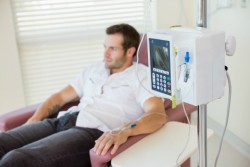
The process of treating withdrawal symptoms lasts about one week.
According to the National Library of Medicine, “Opioid withdrawal reactions are very uncomfortable but are not life-threatening.” However, the severity of the pain and discomfort associated with this experience can often lead to relapse, which is why being treated for any type of opioid withdrawal in a professional setting is necessary. One can receive medical treatment for their symptoms in an inpatient or outpatient clinic, depending on the severity of their condition.
The process, when using a drug like clonidine that is merely meant to treat the symptoms themselves and not stop or elongate withdrawal, usually takes about a week.
There are three stages, the first of which is severe pain and flu-like symptoms. The second involves gastrointestinal problems that lead to vomiting, nausea, and diarrhea. The last occurs over the final one or two days, when the individual is working through any additional symptoms. Once this third stage is over, the patient is usually finished with their detox and is able to move on to addiction rehab.
Changes to the Withdrawal Timeline
Sometimes, though, the withdrawal timeline will be different depending on the individual’s needs, the medication they are taking, and their treatment program. According to the National Institute on Drug Abuse, buprenorphine and methadone can be prescribed as maintenance treatments to minimize withdrawal symptoms and support the individual as they go through treatment. It is possible to stay on these drugs indefinitely, but many patients choose to be weaned off them after a period of maintenance.
This can make the withdrawal timeline a bit longer, as doctors often want to taper off a patient’s dosage much more slowly to avoid their experiencing severe withdrawal symptoms. This is less painful and more effective for easing the individual through their withdrawal. Even though it does not cause the individual to feel painful or extreme side effects, it does often cause the process itself to take longer. The choice to be on one of these maintenance medications––which have been found to be very helpful to many individuals––is specific to you and something you should discuss with your doctor.
How Does Opium Withdrawal Treatment Work?
Opium Withdrawal Treatment
Opium withdrawal may sometimes take longer than a week depending on your treatment options, but you will likely be very informed by your doctor about how long the process will take and what to expect. Opioid withdrawal can be severe, and it is important to know what to expect.
If you have been abusing opium and are dependent on the drug, it is important to seek treatment right away. Call Opium.org at 877-743-0081 (Who Answers?) to find a detox center or rehab clinic near you where you can begin medically assisted withdrawal or maintenance treatment; take the first step of your recovery.
How Is Hydromorphone Addiction Treated?
We can help you find local opiate addiction treatment, call
877-743-0081 for a free referral.
Hydromorphone is a type of prescription narcotic that can cause addiction if abused. Those who become addicted to it are treated in the same fashion as other prescription opioid abusers. If you have been using hydromorphone in a way that was not prescribed by a doctor, call 877-743-0081 (Who Answers?) now to allow Opium.org to help you find safe, effective rehab.
Hydromorphone Misuse and the Need for Treatment
Hydromorphone (brand name: Dilaudid, street names: D, Dillies, footballs, and juice) is a commonly abused prescription opioid (National Institute on Drug Abuse). When a person takes drugs in this class other than the way they are prescribed by a doctor, their brain will begin to crave the euphoric effects the drug causes, leading the individual to abuse more and more of the substance. This will soon become an addiction the individual can’t control, which is why they will require treatment.
There are both inpatient and outpatient facilities that can help opioid addicts recover from addiction, and you should choose the one that is best for your specific needs. Most of the treatment options are the same for any type of opioid addiction, but depending on which works the best for you, you will likely receive a personalized treatment program that utilizes several of these options.
Medications Used in Hydromorphone Addiction Treatment

Group therapy is beneficial for many recovering hydromorphone addicts.
There are three main pharmacological options when it comes to opioid addiction treatment. These include:
- Methadone: “lessens the painful symptoms of opiate withdrawal,” minimizes cravings, and makes it easier for a person to focus on their behavioral therapy treatment and daily life (The Substance Abuse and Mental Health Services Administration)
- Buprenorphine: similar to methadone but is usually prescribed with naloxone (under the brand name Suboxone) to prevent illicit use
- Naltrexone: treats addiction by causing withdrawal in anyone dependent on opioids and blocking the effects of other opioid drugs
Buprenorphine and methadone are the more commonly used treatments, while naltrexone can be beneficial for certain individuals. Only one of these medications is necessary, but a strong recovery is achieved most often by those who also receive behavioral therapy treatments.
Behavioral Therapies Used in Hydromorphone Addiction Treatment
The commonly used behavioral therapies for hydromorphone addiction are:
- Cognitive-behavioral therapy: a program that helps a person change the way they think and feel about drug abuse while preparing them for their future of recovery
- Contingency management: a program that utilizes a reward-based system to help ensure that individuals in treatment will not relapse back to drug abuse
- Group therapy: a program that allows several patients to work through their issues with addiction through group support
- Family therapy: a program that helps addicts and their family members learn to communicate and function as a unit more easily, which is also especially beneficial to adolescent addicts
These treatments are essential to recovery from hydromorphone addiction, and patients should find one––or more––that work for them.
Risks Associated with Prescription Pain Pill Abuse & When to Seek Treatment
Do You Need Hydromorphone Addiction Treatment?
Call 877-743-0081 (Who Answers?) to find rehab centers near you or to ask questions about hydromorphone or other types of opioid abuse. We are here to help you begin and strengthen your recovery, one step at a time.
How Do I Know If Someone I Love Is Abusing Opium?
We can help you find local opiate addiction treatment, call
877-743-0081 for a free referral.
Opium is an incredibly intense narcotic with strong side effects. When abused over time, it can lead to addiction. If you think someone you know is frequently abusing opium, it is better to find out soon so you can help them seek treatment and recover. Call 877-743-0081 (Who Answers?) now to have Opium.org help you to find rehab centers in your area or to find help for those who abuse opium.
Physical Signs of Opium Abuse
According to the Drug Enforcement Administration, “The opium poppy is the key source for many narcotics, including morphine, codeine, and heroin.” This means it causes the same side effects as these drugs. Also, because it is not as easily attainable as the drugs listed above, someone who abuses opium frequently will often turn to a cheaper, more available drug like heroin once they become addicted.
The common physical signs of opium use include:
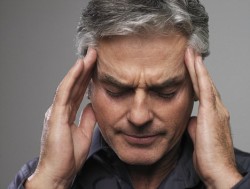
Dizziness and headaches are physical signs of opium abuse.
- Dry mouth
- Dry mucous membranes
- Flushing
- Itchiness
- Nausea
- Vomiting
- Headaches
- Dizziness
- Small pupils
- Constipation
Constipation is the most complained of physical side effect of opioid treatment, according to the International Journal of Clinical Practice, but someone who enjoys using these drugs recreationally will not stop because of it. They will often try to ignore these effects, make excuses for them, or try to treat them or cope with them in ways that do not include quitting opium. This can be dangerous and is often a sign of a budding addiction.
Behavioral Signs of Opium Abuse
Those who misuse this drug consistently will show signs of their abuse whether they are intoxicated or not. When they do become intoxicated after using opium, they will likely experience euphoria, relaxation, and a relief of pain. They will also become very drowsy. Other behavioral signs of opium use include:
- Mood swings
- Depression
- Confusion
- Ignoring responsibilities and becoming unreliable
- Acting secretively
- Becoming hostile when others ask about their drug use, where they’ve been, etc.
- Spending time with new individuals and leaving old friends behind
- Spending lots of time alone
- Not caring about their personal appearance or hygiene
When these signs begin to line up with the physical signs of opium abuse, it is very likely that the person you care for is using opium recreationally. Because there is a strong chance this abuse could lead to the use of heroin or the recreational use of prescription drugs, you should act quickly in order to help your loved one.
Finding Help for a Loved One Who is Addicted to Opium
What Should I Do?
If your friend or family member has been abusing opium, it is important to know what their treatment options are, which of these will be best for them, and how you can support them as they begin to recover. If you call 877-743-0081 (Who Answers?), we will help you find rehab facilities in your area as well as answer your questions about opium abuse and about how to talk to your loved one about their substance use.
Once you have a set plan, talk to your friend about their opium use and stress that you believe it is important for them to get help. Once they realize this is necessary as well, you can help them transition into treatment as soon as possible.
Acute Stress and Your Addiction
We can help you find local opiate addiction treatment, call
877-743-0081 for a free referral.
Traumatic events affect people in many different ways. Some individuals are able to work through their tragic event, but sometimes others have more trouble being able to move past their horrors.
In some people, acute stress disorders can be developed as a reaction to their event. This causes them to feel anxiety and disassociation for long periods of time. Sometimes, because of this feeling of not being able to relax, those with the disorder turn to substances to help them.
If you or a loved one is suffering from acute stress and addiction, it is important to understand how acute stress works within a person and how it interacts and can further addiction.
What is Acute Stress?

Acute stress disorder is characterized by severe anxiety and dissociative symptoms.
Stress is common in day to day life. Being stressed about projects being due, taxes, jobs, and relationships are all something that people deal with throughout their lives. Unfortunately, stress can be very dangerous to people’s health, especially to those with stress disorders.
As described by the PTSD: National Center for PTSD of the US Department of Veterans, having an acute stress disorder means that the person in question has severe anxiety and dissociative symptoms. This stress and anxiety occurs a soon after the person experiences a traumatic event.
The stress occurs as a response to the event. It creates a feeling like the person cannot relax and is constantly under pressure and stress, making them seem tense and moody.
How Does Addiction Affect Acute Stress?
Having this constant stress makes it easy to turn to substances in order to feel better and to relax oneself. However, addiction can occur very fast, as the traumatized person feels the need to keep indulging in their substance, as their anxiety rarely goes away without professional help.
Once they start using substances, they become addicted which can lead them to feeling more stressed and have more anxiety. This leads them to wanting more of their substance to calm down, and then they are stuck in a cycle of trying to destroy their stress with something that is a main cause for it happening.
10 Reasons Why People Turn to Heroin
It is important for those diagnosed with acute stress disorders to know the affect substance abuse can do to them personally. Instead of turning toward addiction, they need to turn toward professional help, but they won’t do that unless they can understand what is happening to them.
That is why it is important to not remain ignorant of how disorders can be affected by substance abuse.
Acute stress disorder can be life consuming even without the addiction added to it. Don’t let acute stress disorder get out of control with substance abuse. If you or a loved one is suffering from acute stress and addiction call 877-743-0081 (Who Answers?) to talk to a professional that will help you plan out the next steps needed in order to tackle both the disorder and the substance abuse.
Will Opium Addicts Relapse After Treatment?
We can help you find local opiate addiction treatment, call
877-743-0081 for a free referral.
According to Harvard Medical School, “Addiction is a chronic disease with no lasting inexpensive cure. Recovery, when it occurs, is precarious, and relapse is a constant danger.” This does not necessarily mean that an individual will definitely relapse after opium addiction treatment, but they will likely experience issues that will trigger them to relapse or make it difficult for them to avoid it. This is why seeking professional help and working hard to maintain one’s sobriety is so important.
Post-treatment Relapse
Relapse can happen at any time, from during withdrawal to afterwards and weeks into addiction treatment or even years after the individual has finished their treatment program. This is why it is important to always be vigilant about the possibility, to seek further help if you feel like you are struggling with your sobriety, and to be aware of your needs as an individual in recovery.

Having a strong support network greatly reduces one’s chance of relapse.
According to the National Library of Medicine, just after withdrawal or detox is the most dangerous time for relapse because the most overdose deaths happen then. “Because withdrawal reduces the person’s tolerance to the drug, those who have just gone through [it] can overdose on a much smaller dose than they used to take.” This is a very volatile time, and the individual should be aware of the dangerous possibility of relapse here. However, it is still important to remember that a person can relapse at any time during or after their opium addiction treatment, so the threat will always be there.
How Can I Avoid Relapsing After Treatment?
There are several ways in which you can make your addiction treatment stronger, your recovery more solidified, and your chance of relapse lower, especially over time.
- Always attend addiction treatment after withdrawal. If you do not attend one of these programs, it is much more likely you will experience cravings you cannot fight and eventually overdose as a result.
- Utilize the coping mechanisms you learn in addiction treatment to help you avoid abusing opium. These concepts will be important in your daily life even after you finish treatment.
- Do not hesitate to attend another rehab program after you have finished your initial one. When you begin to notice yourself struggling with your recovery, it is important to try another type of program, which could be beneficial to your current state.
- Avoid the use of any opioid prescriptions or other drugs that can be addictive. Make sure your doctor knows your history of addiction and opium abuse so they will not prescribe you any medication that could become habit-forming.
- Reach out to those around you. Whether it is your friend, a family member, an individual in Narcotics Anonymous or another mutual-help group, or someone else, talk to those who want to see you recover and ask them for guidance, help, or just to listen. It can lift an incredible weight off your shoulders to discuss your recovery with someone else.
How to Avoid Relapse After Opiate Addiction Treatment
Do You Need Treatment for Opium Abuse?
If you are an opium addict and are in need of professional rehab, call 877-743-0081 (Who Answers?). We can help you find a program that will fit your needs and allow you to make a change in your life for the better. Call today.