There are a wide range of effects that opium derivatives can have on the body including physical drug dependence, withdrawal symptoms and health problems.
When opium is smoked, the drug causes a short-term high that includes relaxation, pain relief, reduced anxiety and impaired alertness and coordination. These effects usually wear off in about 3-4 hours. Using opium for a prolonged time or using opium excessively can lead to a tolerance of the common side effects of opium and the user may not feel as relaxed when the drug is used. In fact, over time, opium use can lead to heightened anxiety, weight loss, and mental deterioration. There is even a potential for death to occur as a result of opium overdose though not common unless a derivative of the drug is being used.
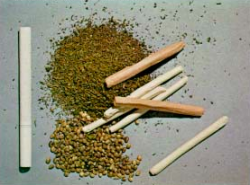 The harmful effects of opium are not often noticeable until the drug has been used for many years. Prolonged use of opium can lead to lung disorders including emphysema and cancer. Smoking opium also causes damage to the brain, liver, kidneys and various other organs of the body. This damage does not necessarily repair itself or go away when the drug is no longer used which is why it is so important to stop opium abuse as soon as possible to avoid further damage to the body.
As opium use progresses, the body becomes tolerant to the drug and the pain reduction qualities of this drug or its derivatives are not as profound. Feelings of pleasure and euphoria are ultimately replaced with feelings of desire or need to use more and more of the drug to produce similar euphoric effects. Opium tolerance such as this often leads to dependence and opium addiction.
Common opium effects include:
- Euphoria
- Relaxation
- Reduced anxiety
- Sense of emotional detachment or floating outside one’s self
- Reduced pain
- Reduced stress
- Sleepiness
- Altered mood, altered mental state
- Reduced appetite
- Weight loss
- Reduced energy
- Reduced sex drive
- Sweating
- Difficulty concentrating
- Impaired vision
- Coma
- Death
If you or someone you know is abusing opium and need help, contact Opium.org for a free counselor referral at 877-743-0081 (Who Answers?). Our helpline is available 24/7 to assist you in finding the right treatment for your needs.
 Why Opium Dependence is Dangerous -
Alcohol and drug dependence has become a pressing issue within the U. S., affecting people of all ages, races and socioeconomic levels. Opium drugs in particular lead the pack as one of the most highly addictive substances available. Like all addictive substances, opium exerts its most damaging effects inside the brain. In effect, any drug ...
Why Opium Dependence is Dangerous -
Alcohol and drug dependence has become a pressing issue within the U. S., affecting people of all ages, races and socioeconomic levels. Opium drugs in particular lead the pack as one of the most highly addictive substances available. Like all addictive substances, opium exerts its most damaging effects inside the brain. In effect, any drug ...  A New Drug on the Market: Opana -
According to the National Institute on Drug Abuse Opana is an increasing problem in the Northern United States. Like most drugs of its class, it is highly addictive and can cause major damage in a short time. In order to protect yourself and those that you love from this new drug threat, it is important ...
A New Drug on the Market: Opana -
According to the National Institute on Drug Abuse Opana is an increasing problem in the Northern United States. Like most drugs of its class, it is highly addictive and can cause major damage in a short time. In order to protect yourself and those that you love from this new drug threat, it is important ...  Do I Need Treatment for Opium Addiction? -
If you are concerned that you might be addicted to opium, you should consider formal opium addiction treatment. Many individuals become quickly addicted to opium when they use it recreationally, and often, treatment is the only answer. Ask yourself if you might need treatment for opium addiction. Opium Addiction Treatment Opium is an addictive drug ...
Do I Need Treatment for Opium Addiction? -
If you are concerned that you might be addicted to opium, you should consider formal opium addiction treatment. Many individuals become quickly addicted to opium when they use it recreationally, and often, treatment is the only answer. Ask yourself if you might need treatment for opium addiction. Opium Addiction Treatment Opium is an addictive drug ...  The Effect of Alcohol on the Brain and Body -
Alcohol has a very profound effect on the brain and body of the individual who consumes it. These effects can take a serious toll on the health of the individual by attacking several parts of the body. There are a few ways alcohol can effect the body and the brain. The Effects of Alcohol on ...
The Effect of Alcohol on the Brain and Body -
Alcohol has a very profound effect on the brain and body of the individual who consumes it. These effects can take a serious toll on the health of the individual by attacking several parts of the body. There are a few ways alcohol can effect the body and the brain. The Effects of Alcohol on ...  The Dangers of Abusing Heroin & Prescription Pain Pills and the Need for Opiate Addiction Treatment -
Both heroin and prescription pain pills belong to the same class of drugs known as opiates. While heroin’s designation as a Schedule I class controlled substance makes for one of the most addictive substances around, prescription pain pills fall under the Schedule II class designation, which can be just as addictive depending on the drug ...
The Dangers of Abusing Heroin & Prescription Pain Pills and the Need for Opiate Addiction Treatment -
Both heroin and prescription pain pills belong to the same class of drugs known as opiates. While heroin’s designation as a Schedule I class controlled substance makes for one of the most addictive substances around, prescription pain pills fall under the Schedule II class designation, which can be just as addictive depending on the drug ...